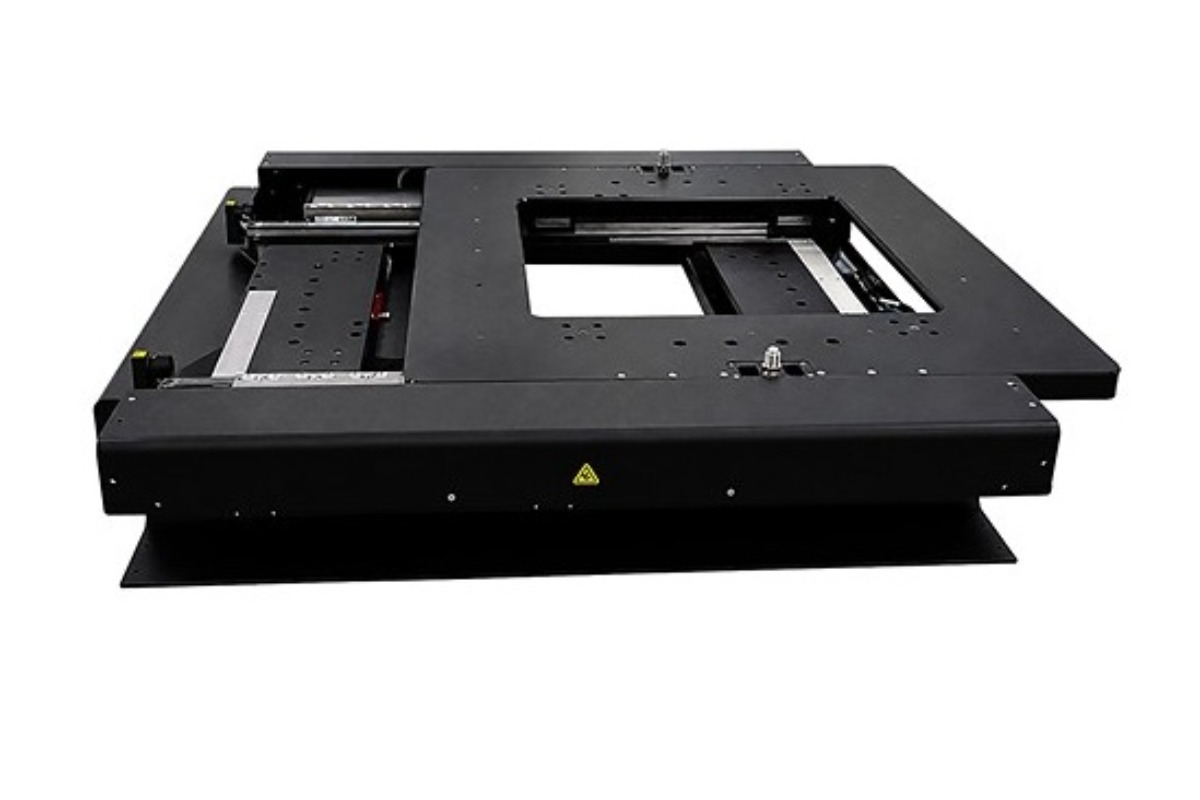

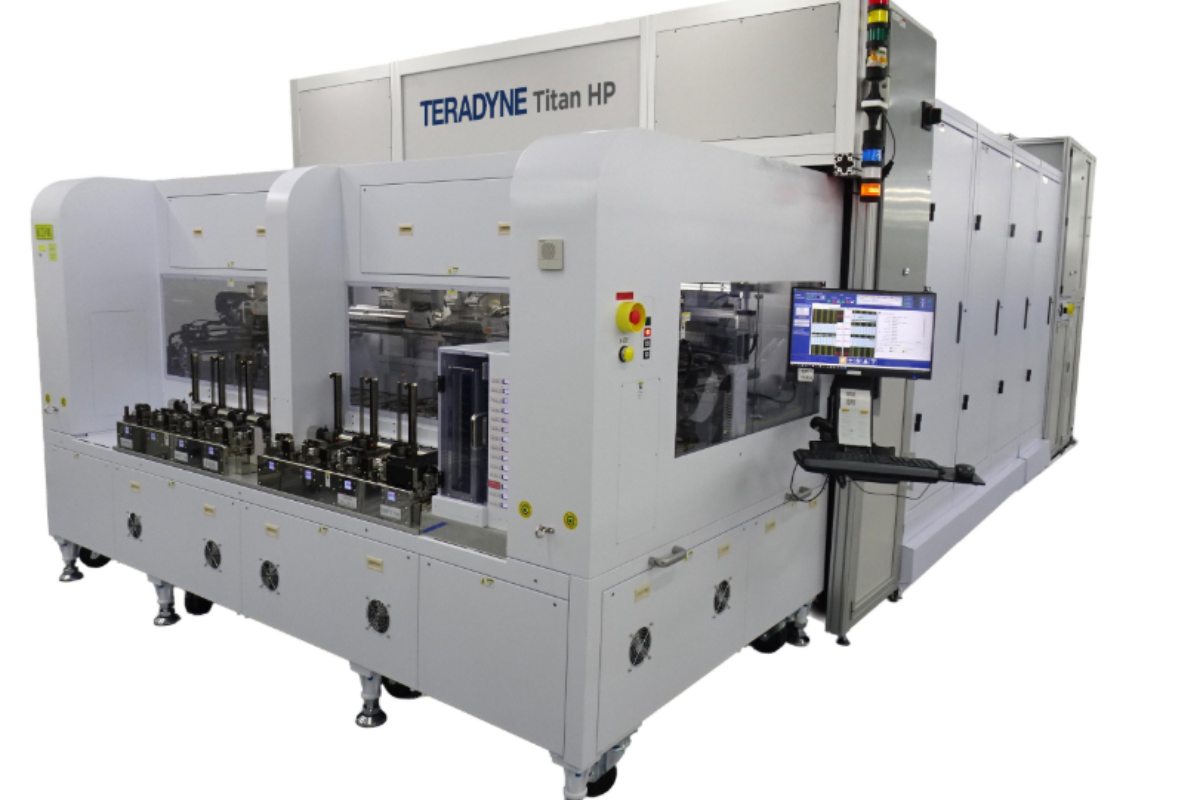
Teradyne has announced a production-ready system that delivers enhanced burn-in capabilities on its Titan HP platform. The system targets high-power AI, automotive, and other high-reliability semiconductor devices, with the stated aim of lowering cost of test, factory floor space, and time to market for chipmakers.
Traditional burn-in places devices in banks of dedicated ovens held at a controlled air temperature for hours before functional test. On the Titan HP platform, each device is instead held at its target junction temperature while a realistic device workload runs. This approach optimizes reliability stress functions and enables thermal controls at the per-device level. The platform can be used for system-level test or reliability testing and is intended to optimize capital cost investments. For reliability testing, every device carries its full stress-and-test history on a single record.

Jason Zee, vice president and general manager of the Integrated Systems Test division at Teradyne, said: “Our customers are being asked to ship high-power AI silicon at reliability levels that used to belong to automotive. Moving reliability stress testing onto a system level test platform means optimized reliability, which can lower cost of test, improve time to market and deliver better data on every device shipped.”
Per-site thermal control is tuned to each device’s thermal and force zones and is paired with high per-device kilowatt power delivery. This configuration allows Titan HP to sustain reliability-stress conditions on parts whose power draw and heat dissipation strain a conventional oven flow. The platform’s asynchronous slot architecture loads and tests each slot independently, so a long stress run on one device does not idle the rest of the system, and individual sites can be serviced while the system continues to operate.
Test programs run on the Teradyne Atlas software platform, which enables engineers to import existing programs or build new ones and port them to other Teradyne system-level test systems. Teradyne’s per-device power roadmap extends to the levels future AI accelerators are expected to require, allowing the same platform to support higher-power devices over time.
Burn-in has long been standard for automotive and other high-reliability silicon. AI accelerators and cloud infrastructure devices are now entering the same category, driven by the high cost of a single failed accelerator in a deployed rack. This demand is arriving as capital, floor space, and handling capacity for dedicated oven banks come under pressure in high-volume manufacturing and OSAT facilities.
The enhanced burn-in capability extends Teradyne’s test portfolio, which spans the AI device supply chain from wafer to data center and covers wafer probe, package test, system-level test, and reliability stress testing.
Teradyne Titan HP with enhanced burn-in is available today and deployed in production. Additional information is available at booth #1143 at SEMICON West, October 13-15, 2026, in San Francisco, California, and at booth #204 at the IEEE International Test Conference (ITC), October 11-16 in San Antonio, Texas. Further details are at teradyne.com/titan-hp.