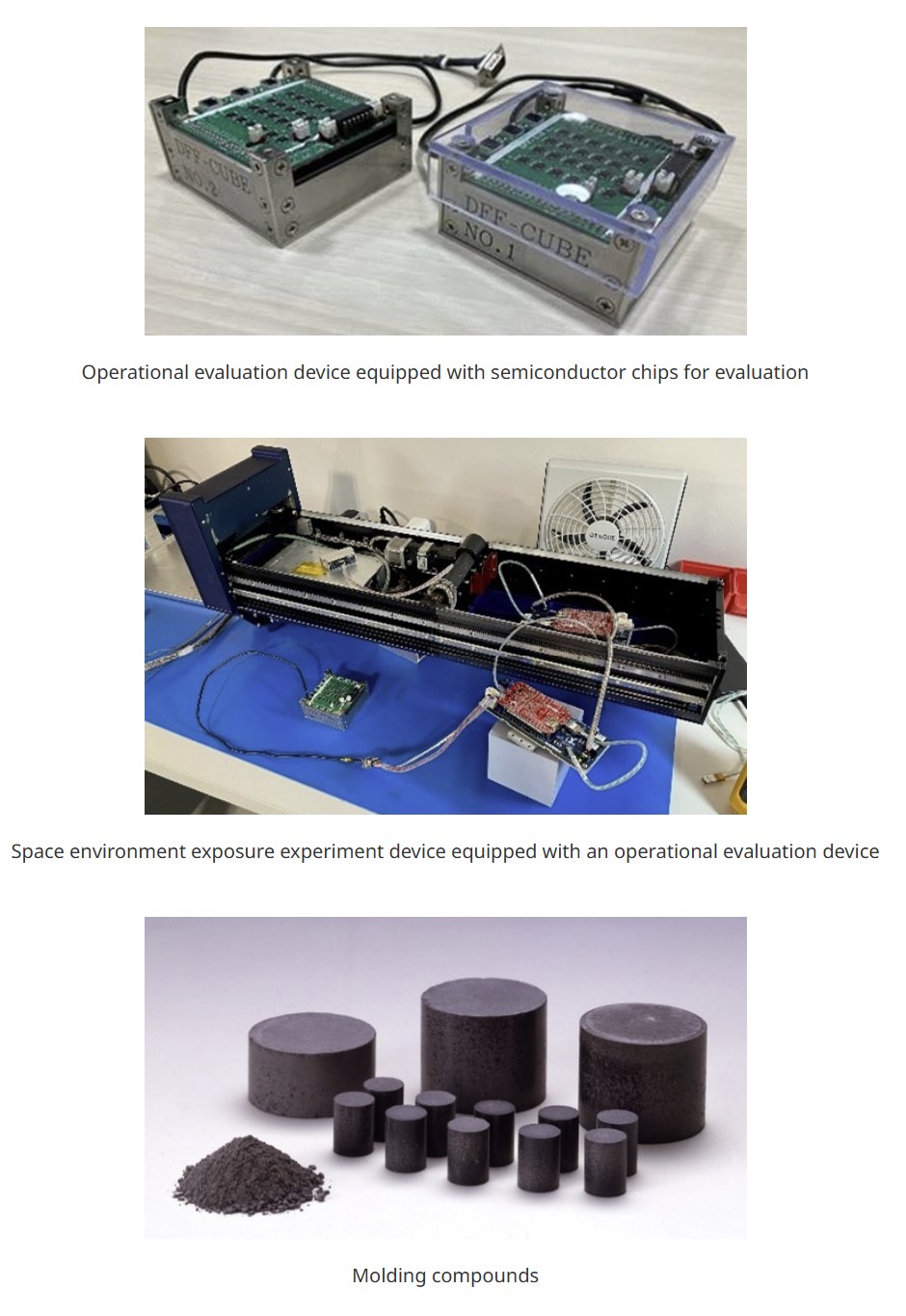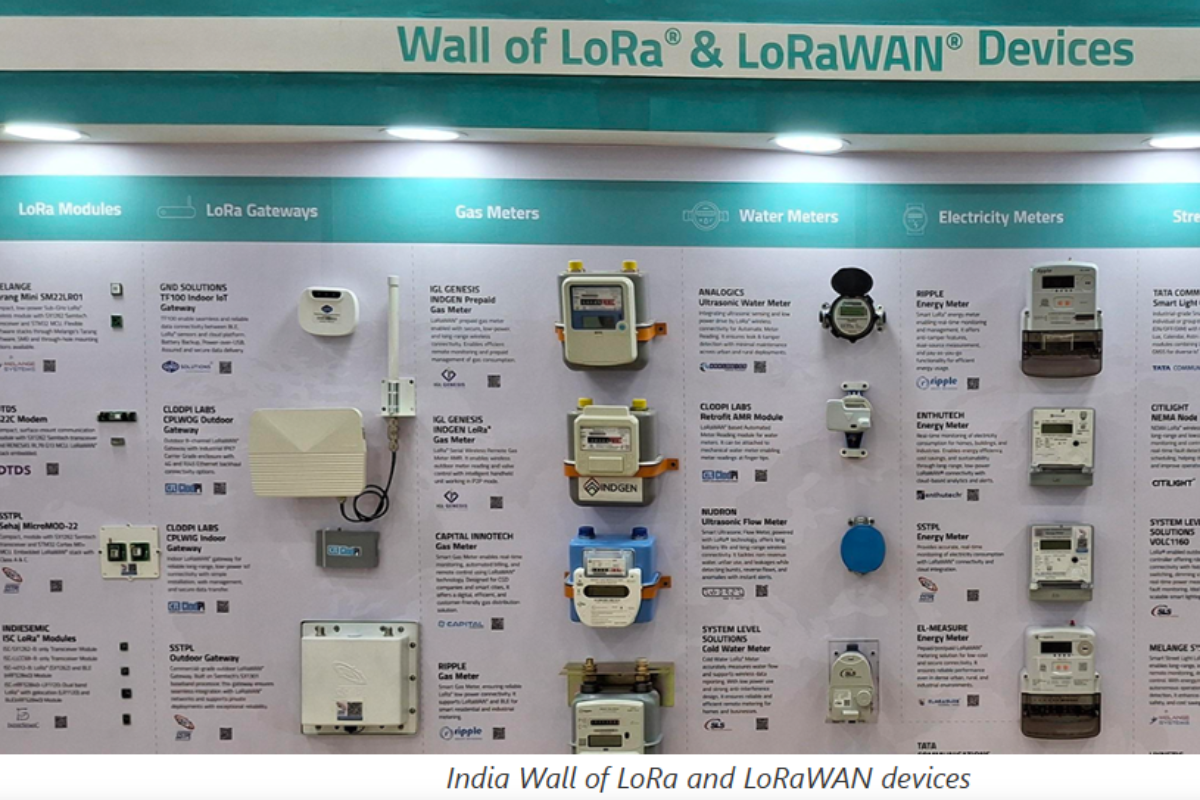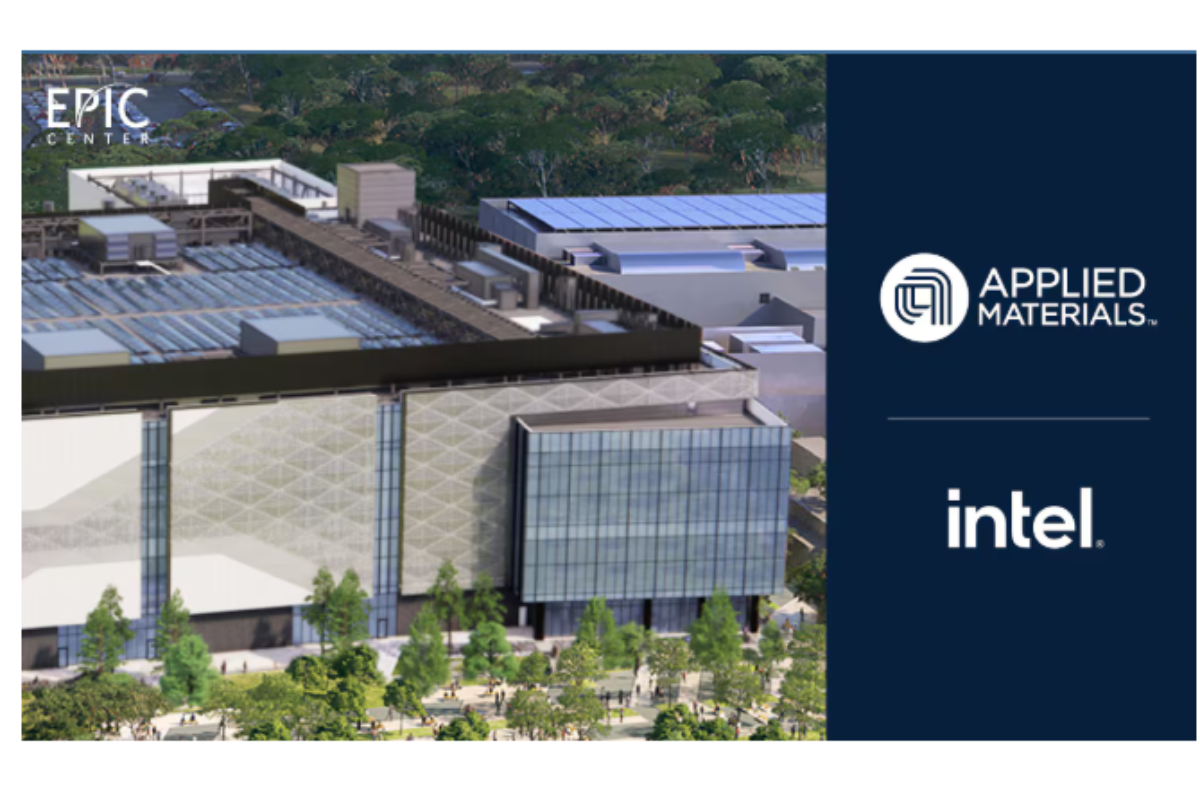

Resonac Corporation, led by President and CEO Hidehito Takahashi, will conduct evaluation experiments on the International Space Station (ISS) to test molding compounds for semiconductors designed to reduce soft errors caused by cosmic rays. The experiments, commissioned to Axiom Space, a U.S. commercial space company, involve an operational evaluation device equipped with semiconductor chips, delivered to Axiom Space in April 2025 for a resupply mission to the ISS this fall. The tests aim to confirm the material’s effectiveness in mitigating soft errors to improve space-oriented semiconductor performance and enable ground-based semiconductors for space applications.
Satellite launches have increased approximately elevenfold over the past decade, with further growth expected, according to Japan’s Cabinet Office. Satellites rely on processors for tasks like Earth observation and communications, but space processors prioritize stability, resulting in lower computational capabilities compared to ground-based processors. Demand is growing for enhanced computational capabilities, driven by projects like the "SLIM" lunar lander, which autonomously processes images, and initiatives like "Starlink," which links low Earth orbit satellites to reduce communication delays and integrate data center functions.
Resonac’s prototype molding compounds, blended with a neutron-absorbing compound, address soft errors caused by cosmic rays, including particle radiation like neutron rays and electromagnetic radiation like gamma rays. Ground-based tests showed a 20% reduction in soft error rates in flip-flop circuits. The ISS experiments will operate the chips inside the station and on the Materials International Space Station Experiment (MISSE) platform outside to assess soft error mitigation in space’s radiation environment, which cannot be replicated on Earth. Axiom Space will handle the launch and experimental support.
Successful results could allow ground-based semiconductor chips to be adapted for space use without major changes, potentially reducing manufacturing costs and enhancing functionality. Using molding compounds to mitigate soft errors offers a simpler approach compared to other methods, which may lower peripheral design costs. The initiative is driven by Resonac’s REBLUC community, established in 2022, where employees voluntarily develop cosmic materials. Resonac plans to expand its work into semiconductor materials for satellites, space data centers, lunar bases, and lunar rovers.