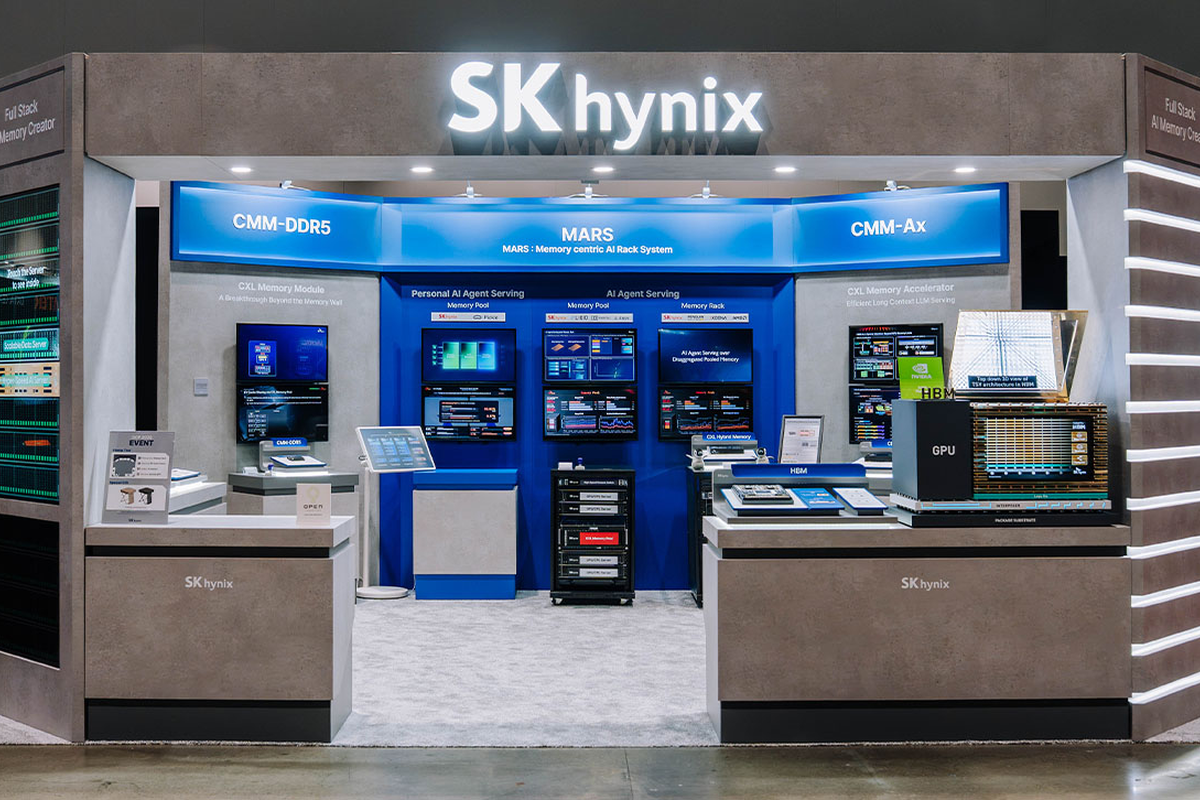

SK hynix has earned IEC 61508 SIL 3 certification for LPDDR5X DRAM intended for physical AI, mobility and industrial applications. The company also received ISO/SAE 21434-based Cybersecurity Management System (CSMS) certification for its product lifecycle process.
As AI systems begin performing physical tasks, robots and vehicles that make autonomous decisions and move independently can cause accidents if they malfunction or are affected by data breaches. SK hynix said functional safety and cybersecurity have therefore become important requirements for memory.
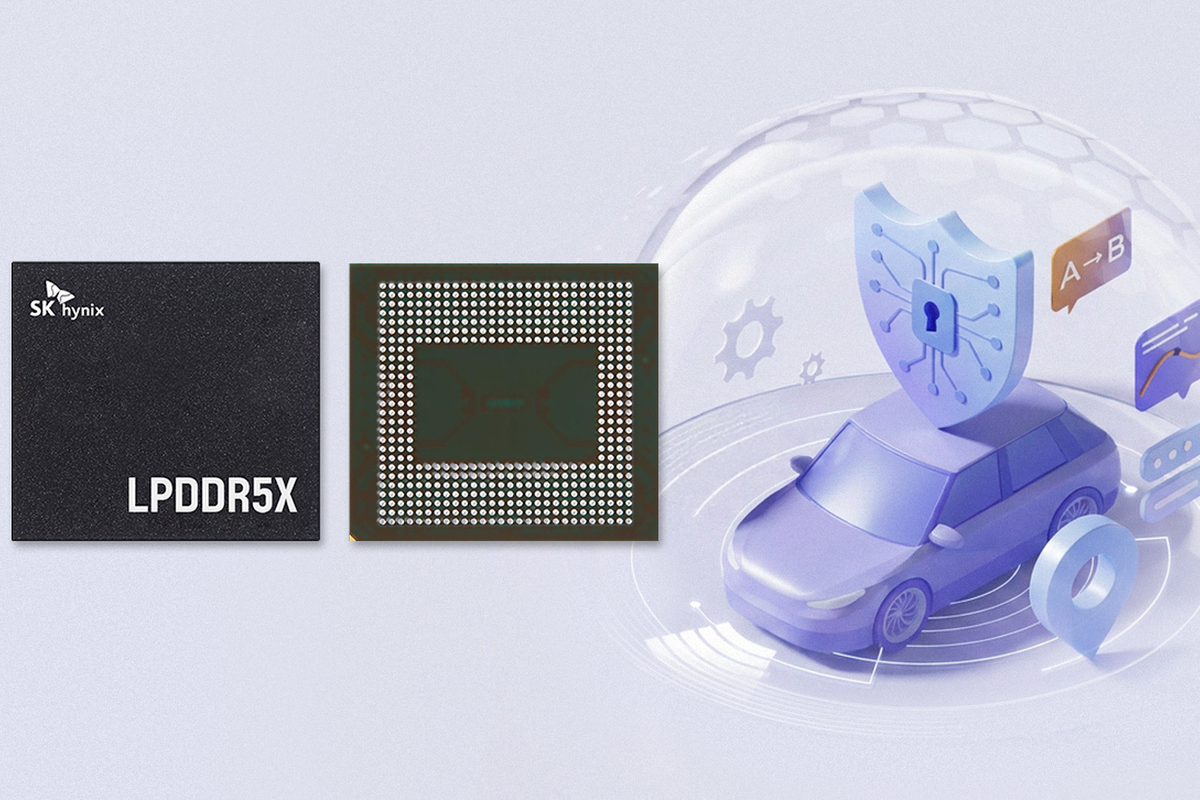
The certifications followed assessments by SGS-TÜV Saar, involving SGS Korea and SGS Japan. IEC 61508 is an international standard for industrial functional safety, with Safety Integrity Levels ranging from SIL 1 to SIL 4. SK hynix said SIL 3 is the highest level attainable for a single memory semiconductor. Its LPDDR5X was designed and validated for continuous mode, which requires maintaining safety in real time without interrupting system operation.
The IEC 61508 certification covers both the LPDDR5X product and its development process. The ISO/SAE 21434 assessment verified procedures across product development and mass production, including threat response, security requirements definition, design and validation, and vulnerability management. SK hynix said the certifications extend its functional safety credentials beyond automotive applications, complementing its existing ISO 26262 automotive functional safety certification and TISAX information security certification.
Jonghwan Kim, vice president and head of DRAM Development at SK hynix, said that incorporating safety and security frameworks aligned with international standards into memory development is becoming increasingly important as the physical AI market develops. He said the company plans to build on its automotive and industrial credentials to strengthen its position in full-stack AI memory for physical AI markets, including robotics, edge AI and autonomous driving.
SK hynix plans to increase its participation in autonomous driving platforms and software-defined vehicle projects, expand its global Tier 1 customer base, and broaden the use of its memory products in robotics, edge AI and smart factories.