

Ricoh Company, Ltd. will establish a production site for inkjet-printed perovskite solar cells, targeting annual capacity of several hundred megawatts (MW) by 2030. The site will be built at Ricoh Industry Co., Ltd.'s Tohoku Site in Shibata, Miyagi Prefecture, Japan, with future expansion to gigawatt (GW)-scale production in view.
Ricoh's manufacturing initiative has been selected for support under Japan's GX (Green Transformation) Supply Chain Development Support Program, administered by the Ministry of Economy, Trade and Industry (METI). The company said expectations for perovskite solar cells are growing because their thin, lightweight and flexible characteristics can enable installation on rooftops and walls with limited load-bearing capacity, where conventional silicon solar cells are difficult to deploy. Stable-quality mass production and lower production costs remain challenges.

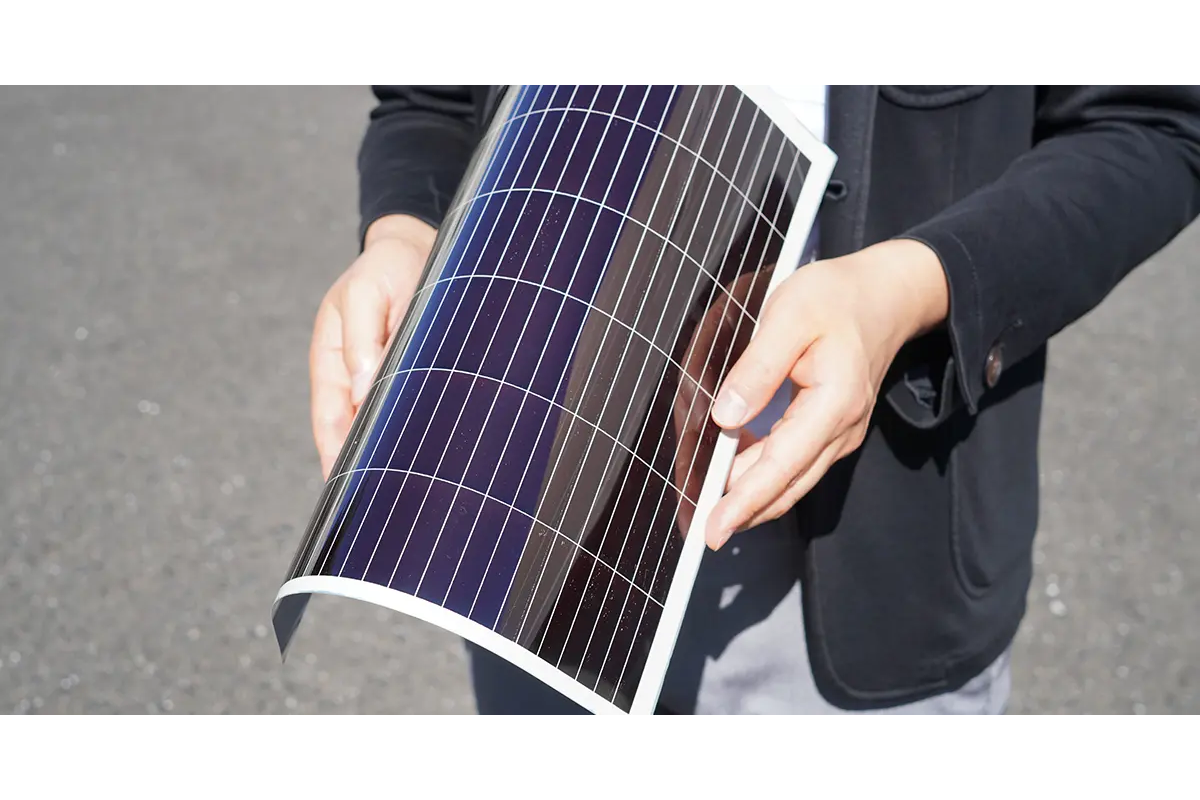
The manufacturing process will use Ricoh's proprietary inkjet technology to pattern-print all functional layers of the solar cells. The technology controls microscopic droplets to deposit the required amount of material where needed, which Ricoh says can improve material utilization and streamline manufacturing processes. Ricoh is also applying technologies developed through its multifunction printer organic photoconductor work to perovskite solar cells.
Ricoh's technology development and demonstration project for inkjet-printed perovskite solar cells was selected for support under Japan's Green Innovation Fund, administered by the New Energy and Industrial Technology Development Organization (NEDO), in September 2025. The company will build on its research, development and demonstration activities as it advances toward mass production and commercialization, with the target of starting mass production by 2030.