
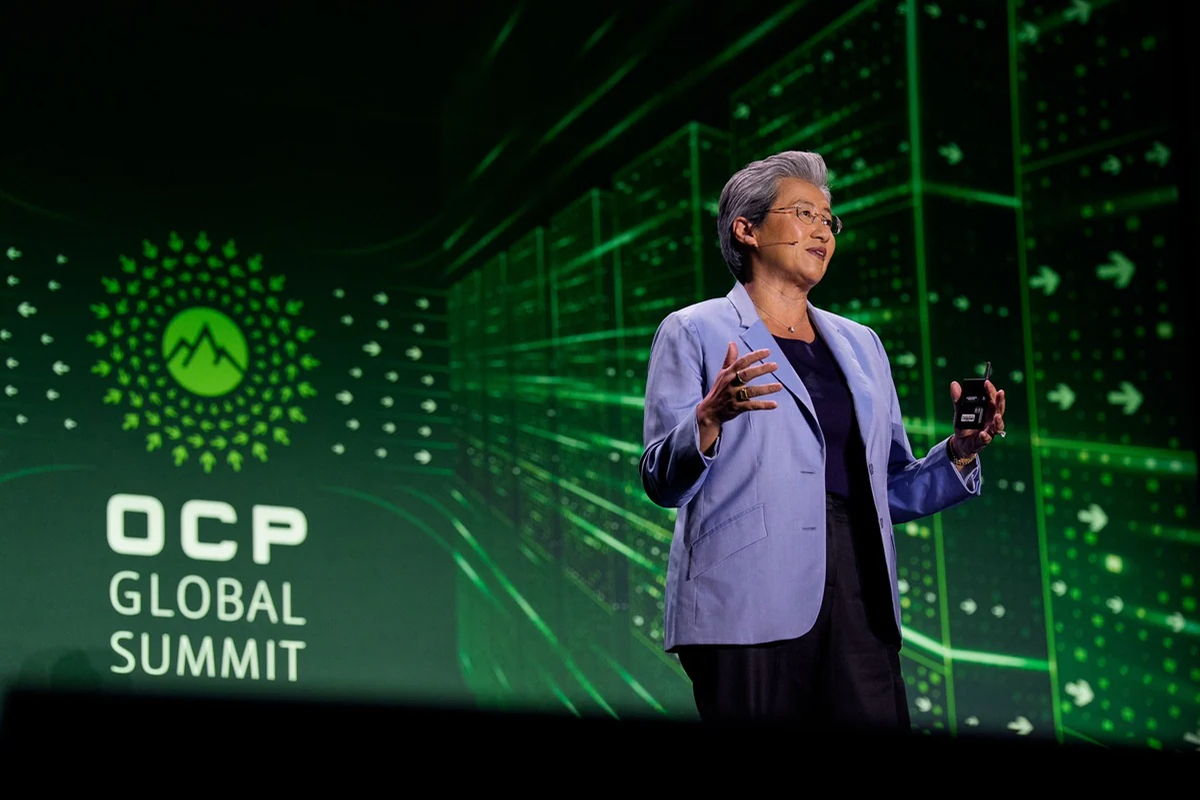
AMD CEO and Chair Lisa Su outlined the company’s open, full-stack infrastructure portfolio for agentic AI at the opening keynote of the 2026 OCP Global Summit in San Jose, California, on October 12, 2026. The portfolio spans systems from enterprise deployments to gigawatt-scale deployments.
AMD said inference, or running trained AI models, is now the largest AI workload, while agentic AI is increasing demand for server and graphics processors. The company described agentic AI as retaining context, using tools and repeatedly requesting model responses to complete tasks, increasing computing demand across AI’s foundational infrastructure. Su said: “When we come together as an open ecosystem, we accelerate the pace of innovation and get better solutions for our customers.”
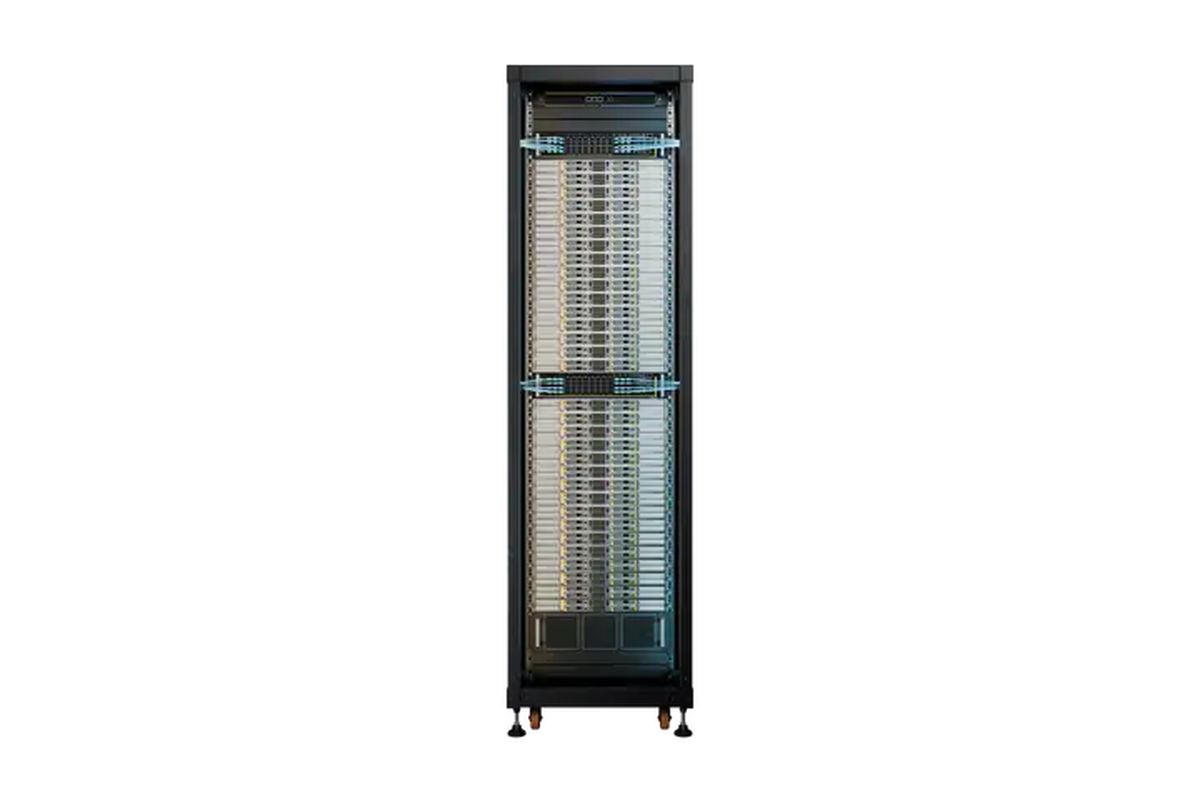
One year after its 2025 Open Compute Project debut, AMD Helios is ramping production, with customer deliveries, deployments and workload validations underway. Each rack integrates AMD Instinct GPUs, AMD EPYC processors, AMD Pensando networking and the AMD ROCm software ecosystem. AMD co-engineered Helios with Meta and the broader Open Compute Project community, incorporating shared designs for the rack, power systems and hardware management. Initial systems are installed and running at OpenAI, Meta, Microsoft and Oracle.
AMD Helion lets customers tailor CPU core density, performance and power to agentic workloads, with CPU-only configurations for hyperscale deployments and integrated CPU/GPU configurations for enterprises. Its integrated model router directs agents’ requests across frontier and open-source models. AMD Helion rack configurations are under development with ecosystem partners and are planned to be available in November 2026. AMD plans to contribute the AMD Helion architecture to OCP.