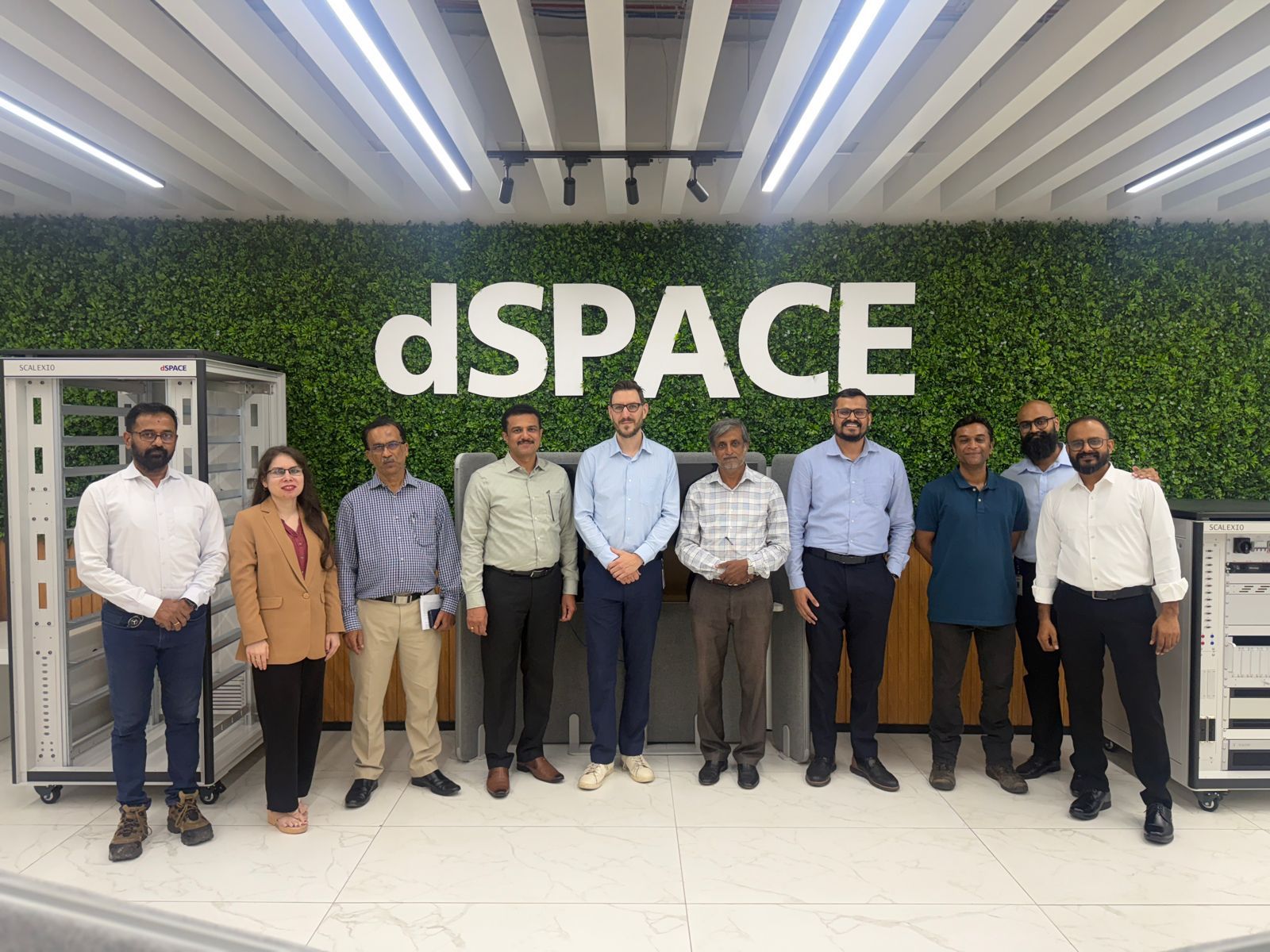

German simulation and validation major dSPACE announced new AI and radar-testing tools, plans for a dedicated defense unit and a deeper Indian engineering base at a press briefing on the eve of its one-day customer event in India. Global tech firms have long treated India as a delivery centre. dSPACE says that era is ending.
Speaking to journalists a day before the company's India event, Andreas Gau, CEO of dSPACE India Solutions Pvt. Ltd., said market research shows India's automotive software market growing at double-digit rates, roughly twice the global pace. He named three drivers: strong domestic demand for cars with more software, electrification and connectivity; global capability centres moving from volume work to real product ownership; and a strong base of engineering service providers.
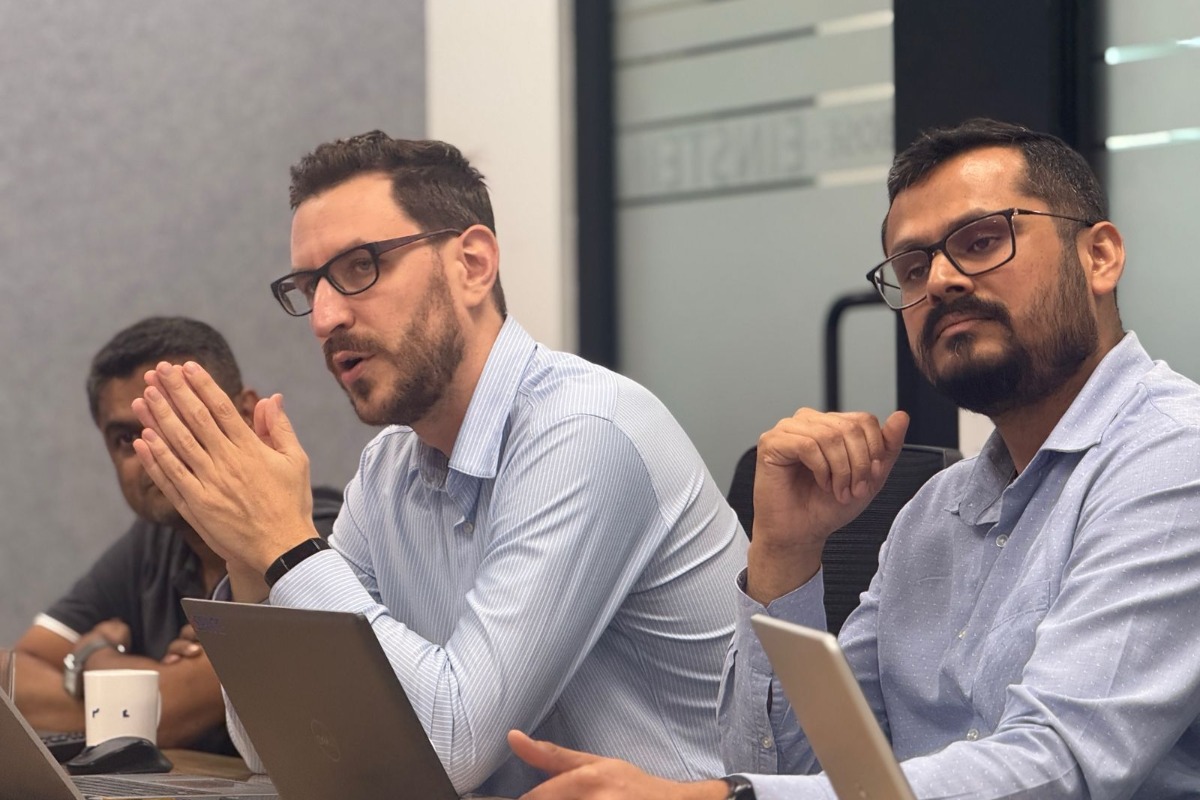
"We are creating in India, for India, but also for the world," Andreas said.
dSPACE's answer is local. The company has moved beyond assembling imported components and now designs customised test systems in Bangalore. Its team qualifies local vendors for racks, cables, terminals and connectors, then integrates, validates and commissions systems at customer sites. Andreas said this cuts cost and delivery time and gives the company more flexibility. It also develops products locally to meet India-specific needs, including segments such as two- and three-wheelers.

The company has 163 people in India, split equally between its development centre and its support and engineering organisation, and it recently extended its Thiruvananthapuram development centre. It posted more than ₹200 crore in local revenue from the domestic market alone, out of global revenue of €388 million. India is one of the few countries where dSPACE operates all three pillars of sales, engineering and production. Gau noted that dSPACE India was formally founded in 2023 but grew out of a distributor relationship of almost 30 years.
New tools for AI, radar and sensor fusion
The company presented three products slated for release at the event:
- NeuralNet Coder automatically converts neural networks (ONNX format) into embedded C code for small controllers, targeting "tiny AI" and edge devices. One use case is a virtual tire-pressure sensor, predicted from temperature, wheel speed and vehicle behaviour, which saves the cost of a physical sensor. Gau said it converts models almost immediately and works with any target platform.
- DARTS Arrow is a smaller, lower-cost radar test system optimised for functional testing. It is rugged enough for workshops, not just clean labs, and Gau called it well suited to the Indian market.
- RTMAPS, a low-code middleware for multi-sensor applications used for over a decade, is now certified for use in real-world vehicles. It targets controlled environments such as agriculture, construction, defense and education. Gau said a sensor-fusion setup that could take years to build from scratch can be done in a week, and the software is free for students.
A defense push in India
dSPACE plans a dedicated aerospace and defense department in India, aiming to become the most trusted partner for digital engineering and validation in the sector. Andreas said the company chooses its defense markets deliberately, and beyond NATO countries India is the only one, given closer Germany-India defense ties and shared democratic values. "When we want to do it here, we do it full power," he said.
AI as an ally of engineers
On AI, Andreas said dSPACE has had no layoffs because of it and does not expect customers to either. Talent focus shifts from hand-writing code toward systems engineering and domain expertise, because AI needs correct instructions and its output still needs expert validation. The company's AI strategy covers AI in its own products, internal development, validation of customers' AI-based products, and readiness for agentic workflows.
The event line-up
The one-day event, which Andreas outlined at the briefing, was built around keynotes from Ashok Leyland on validating electric powertrains for commercial vehicles, and from Professor Satya of ePLANE, with which dSPACE said it would sign a memorandum of understanding. Under it, dSPACE would support the company with development and validation technology and receive aerospace domain knowledge. Presentations from Stellantis and Bosch and panels featuring KPIT, ZF and Bosch were to cover virtual validation. A non-automotive panel was to include a vice marshal offering a defense perspective and a representative of Indian Railways, and an exhibition area was planned to demonstrate the new products live.