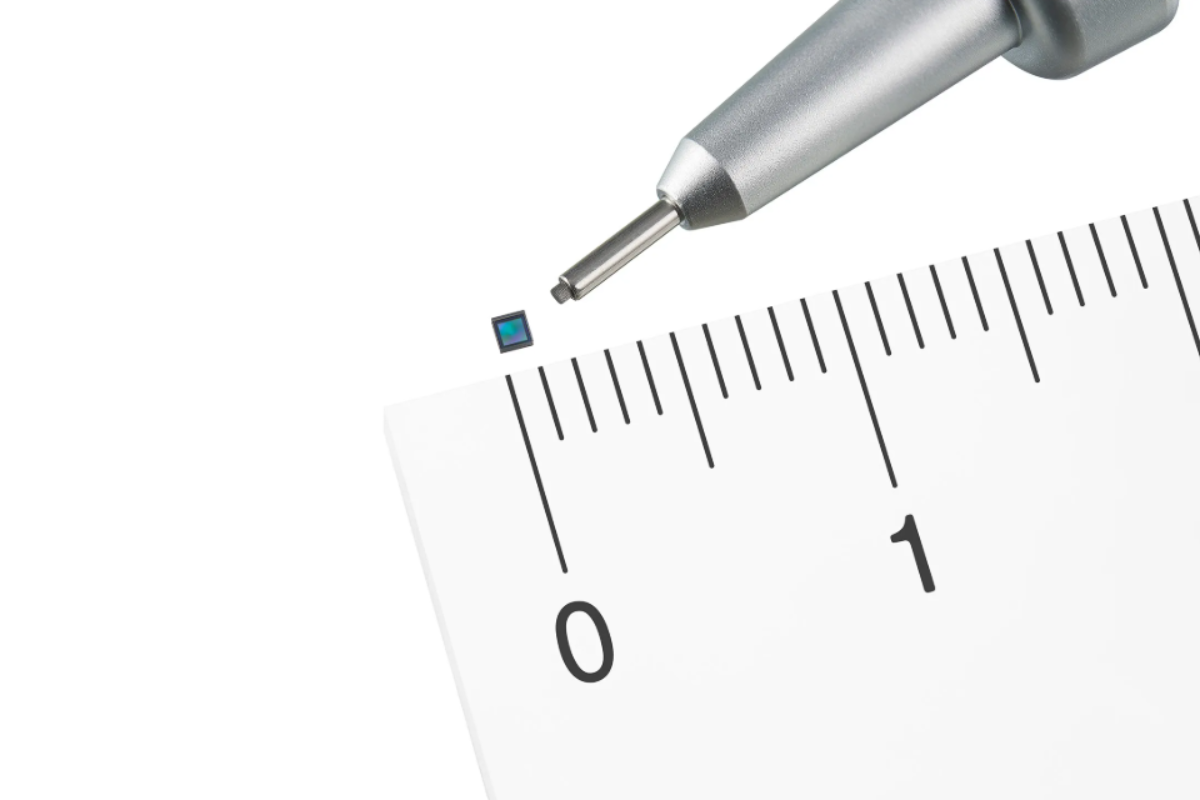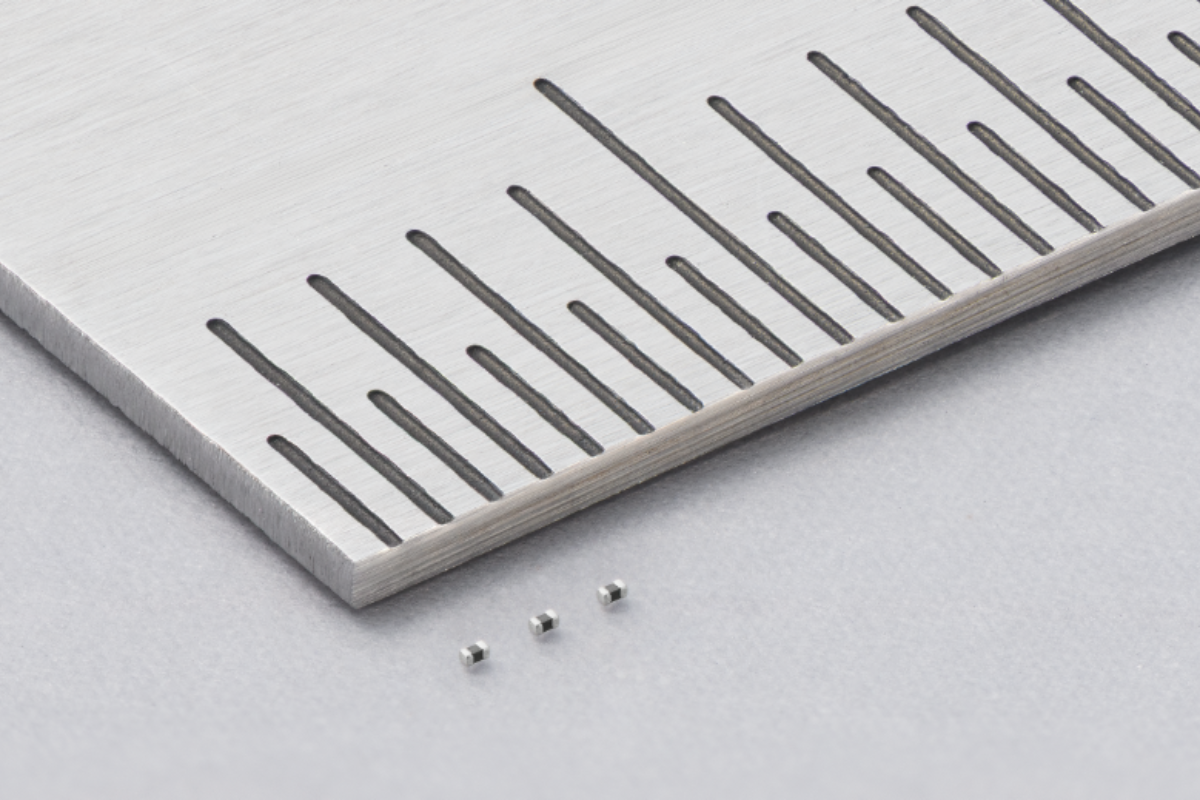

Asahi Kasei Microdevices (AKM), a subsidiary of Asahi Kasei, has announced that its CZ39 and CZ3K series coreless current sensors have been adopted as key components in Microchip Technology's machine learning and AI-based Arc Fault Detection (AFD) reference design, which is built around Microchip's dsPIC33A digital signal controller. The collaboration demonstrates how AKM's current sensing technology can be combined with Microchip's real-time signal processing and edge machine learning capabilities to support accurate, reliable arc fault detection. The dsPIC33A controller runs the necessary signal processing and inference calculations directly on the chip itself, allowing decisions to be made locally without relying on external processing resources.
Arc faults, meaning unintended electrical discharges across a gap in a circuit, are a leading cause of electrical fires in solar photovoltaic systems, energy storage systems, EV charging infrastructure, and both industrial and residential power distribution. Conventional detection methods that rely on fixed thresholds often struggle to distinguish genuine arc faults from normal electrical activity. In residential and commercial AC circuits, everyday devices like vacuum cleaners, power drills, and light dimmers naturally produce small arcs at switch contacts and motor brushes that can closely resemble a dangerous arc fault. In DC systems such as solar panels, EV chargers, and energy storage, switching transients caused by things like relay contact bounce, inverter operation, and capacitor inrush current generate broadband electrical noise in the same frequency ranges as actual arc faults. In both cases, the result tends to be either false alarms that trigger unnecessary shutdowns, or thresholds set too loose, allowing real faults to go undetected.
Machine learning is designed to help close that gap. Microchip's AFD reference design runs an edge machine learning model directly on its dsPIC33A controller, taking advantage of an integrated digital signal processing engine and advanced analog components to enable low-latency inference. This more intelligent approach is intended to reduce false triggers while improving overall arc fault detection performance compared to traditional threshold-based methods.
Detection accuracy depends on multiple factors, including sensor bandwidth and noise performance, signal processing, feature extraction (identifying the specific characteristics that distinguish an arc fault), and how well the machine learning model itself is trained. High-quality current sensing plays an important role in overall system performance, since accurate detection requires a sensor that's fast and produces minimal noise in order to capture an arc's distinctive electrical signature. A slower or noisier sensor blurs or buries that signature, making it difficult to effectively train a detection model in the first place.
AKM's CZ39 and CZ3K series coreless current sensors offer a 100-nanosecond response time, and their speed and low-noise signal quality are central to the overall signal chain behind Microchip's reference design. AKM's U.S. engineering team, based in San Jose at its subsidiary AKM Semiconductor, worked closely with Microchip on the current-sensing configuration throughout the development and validation process.
Chris Baltar, vice president of business development at AKM Semiconductor, said the company was glad to support Microchip as it built out and validated this reference design using the CZ39 and CZ3K sensor families. He said the collaboration demonstrates how high-performance current sensing combined with intelligent edge processing can help designers build advanced protection features across a range of power applications, and that AKM is excited to explore how the design could be adapted for data center applications as AI workloads drive demand for higher power density and emerging high-voltage power architectures.
The AFD demonstration, available through Microchip's reference design program, currently applies across solar PV systems, energy storage systems, EV chargers, smart ignition systems, e-fuse designs, and residential and industrial safety switches.
Asahi Kasei has designated its electronics business as a top priority area expected to drive future earnings growth, and the business continues expanding its portfolio of materials and components for advanced semiconductors and electronic devices. Within AKM specifically, current sensors are positioned as a future growth area, building on their existing use in electric vehicles while also targeting AI and data center applications.