Marty Hurwitz and Liz Chatelain, founders of LattiSpec, have spent more than two decades immersed in the world of lab-grown diamonds. What began in 2004 as work focused on gem-quality stones for the jewelry trade has evolved into a mission to connect diamond growers with technology developers across electronics, defense, quantum systems and medicine.
In a conversation with Srinivasa Reddy N, Editor in Chief of EEHerald, the pair described the pivotal shift that occurred around 2023. After years of watching margins shrink in the increasingly competitive gem market, they urged their grower clients to diversify. “You have to go into other sectors that are either using this already… or could use it if they knew what was available,” Hurwitz recalled. The response from technology companies surprised them. Many developers had no idea that advances in diamond growing had dramatically improved both pricing and availability of technical-grade material. Matchmaking between growers and product developers quickly revealed a market with potential far larger than the gem business.
AI Cooling Emerges as the Hottest Near-Term Driver
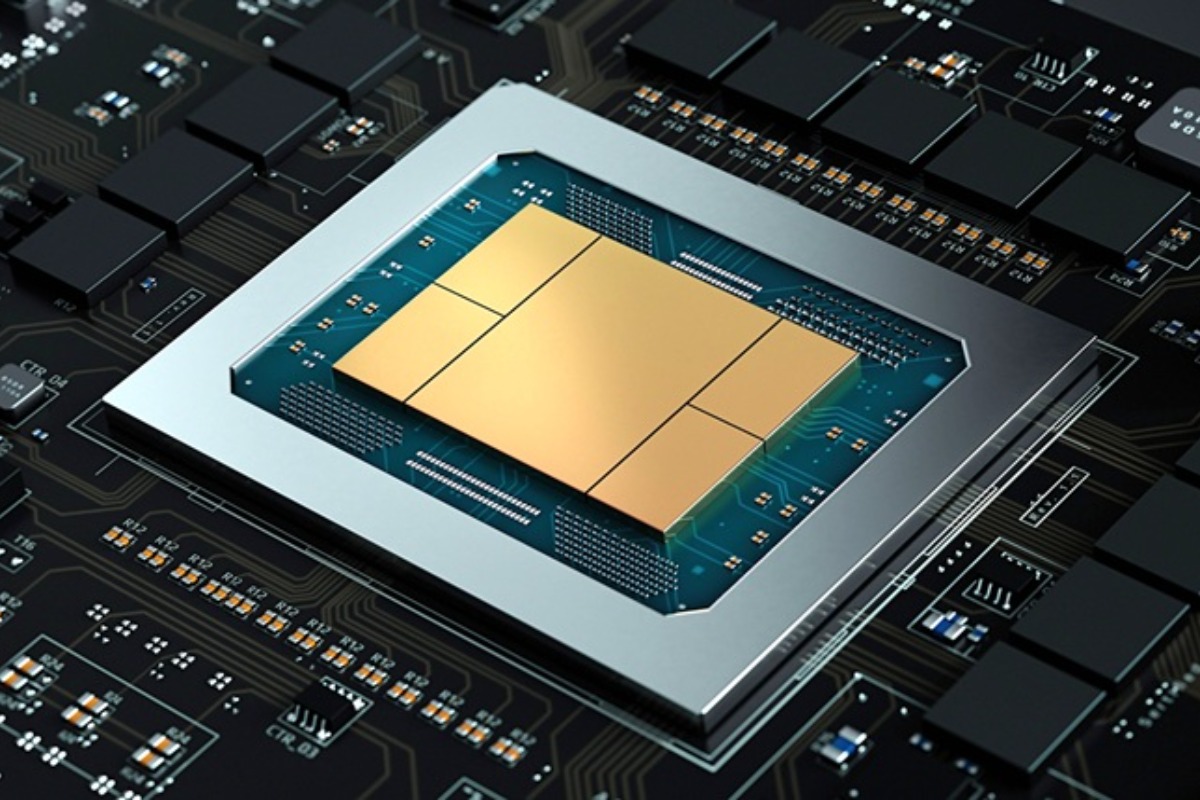
Among the applications gaining traction, Hurwitz identified AI data-center cooling as the most powerful growth area today. Massive energy demands for both computing and cooling have made thermal management a critical bottleneck. Polycrystalline diamonds—and eventually single-crystal material—are being explored to enhance computing power while reducing thermal challenges inside servers.
Defense applications rank close behind. Research into diamond-based quantum magnetometry has drawn strong interest from defense sectors worldwide, including India. Quantum sensing using nitrogen-vacancy centers in diamond could one day offer more secure alternatives to GPS for positioning.
Pricing, Supply and India’s Growing Role
Demand is currently outstripping supply. While unit prices are expected to decline over a decade, near-term pressure is pushing prices higher in many technical categories. Hurwitz noted that the report’s pricing estimates were deliberately conservative. The limiting factor is not raw growing capacity but the specialized technical expertise required to meet exacting specifications for quantum sensing, magnetometry and related fields.
Liz Chatelain pointed to India as the standout supply-side player. With deep roots in diamond cutting and polishing dating back to the 1990s and growing government support for technology, electronics, semiconductors and defense, India is positioned to become a major source of tech diamonds. Thousands of substrate units are already being produced there, though millions will ultimately be needed.
Unique Material Properties Unlock New Possibilities
Diamond’s combination of extreme thermal conductivity, electrical and optical characteristics sets it apart. It does not melt, freeze, expand or contract like conventional materials, and it does not wear out in the same way. These traits allow engineers to design smaller, faster systems with less complex thermal management.
Beyond electronics, diamond’s biocompatibility opens medical applications. Nanodiamonds can be injected to identify diseased cells or deliver drugs to precise locations. Nitrogen-vacancy centers enable fluorescence-based imaging of cellular activity while cells remain alive, supporting disease research and pharmacology.

Navigating Specs, Testing and Supply-Chain Gaps
Tech-grade diamond is not a single product. LattiSpec has identified 42 distinct industry subsectors, each with unique requirements for thermal conductivity, nitrogen content (parts per million or billion), crystal size, thickness and purity. Meeting these standards remains challenging. Testing currently involves multiple rounds between grower and buyer, often taking six weeks and adding cost. The founders are working toward a more unified certification approach to streamline the process.
LattiSpec’s Role: Precision Matchmaking
LattiSpec operates a transparent B2B marketplace at latticespec.com, spanning 11 verticals from aerospace to semiconductors. Vetted sellers offer advanced diamond products as well as tools and equipment. The platform allows direct contact between buyers and sellers.
The company’s core strength, according to Hurwitz, is precision matchmaking. Many technology developers know they have a performance problem but are unaware that diamond could solve it. LattiSpec works one-on-one with product teams, identifies the exact specifications required, confirms which specialized growers can meet them, and makes the introductions—typically offering three or four options. Early-stage sampling and qualification are critical before any scaling can begin.
The founders describe the current moment as “the dawn of the tech diamond age.” They see the market as still in its earliest phase, with significant room for global expansion of both supply and application.