

Building an OSAT Business in the Semiconductor Packaging Market: Trends and Options for 2026
The semiconductor industry is undergoing a profound transformation, with packaging emerging as a critical differentiator in performance, power efficiency, and cost. As front-end fabrication approaches physical limits, Outsourced Semiconductor Assembly and Test (OSAT) providers are increasingly vital, handling the post-wafer processes that connect, protect, and test chips. Entering or expanding an OSAT business in 2026 offers significant opportunities, driven by AI demand, supply chain diversification, and the shift toward advanced packaging. This article explores why OSAT is an attractive entry point, key market trends, technological options, and strategic considerations for new players.
Why OSAT? Lower Barriers Compared to Fabrication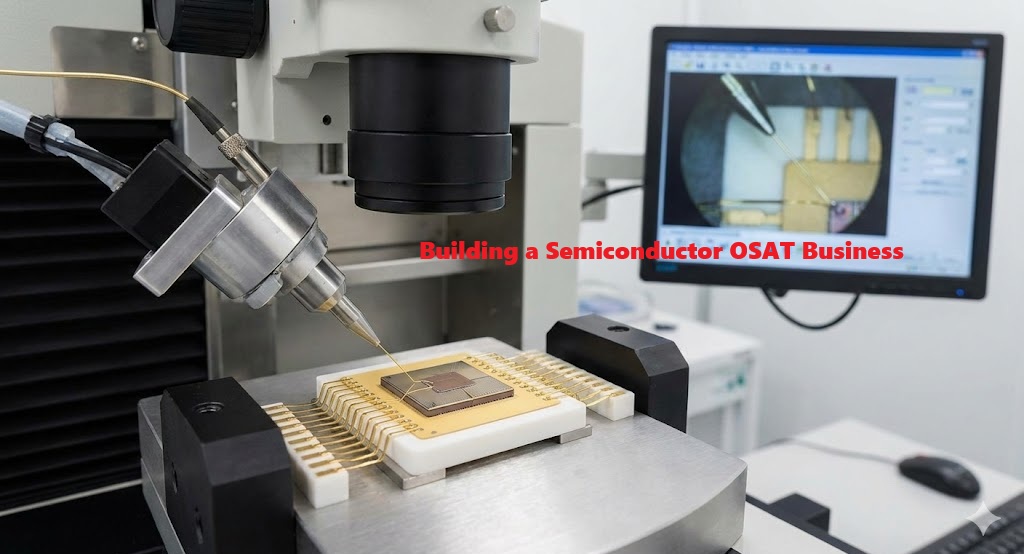
Semiconductor packaging enclosing dies, providing electrical connections, and ensuring environmental protection differs markedly from front-end fabrication. OSAT requires significantly lower capital investment, less stringent cleanroom standards (typically Class 10,000 vs. Class 1 for fabs), and more accessible equipment and skills training.
Advanced packaging demands precision rivaling fabs (e.g., for hybrid bonding), but mature processes like wire ...
- Deep-technical articles & analysis
- New-product comparisons
- Premium online courses
- 1 author article / year