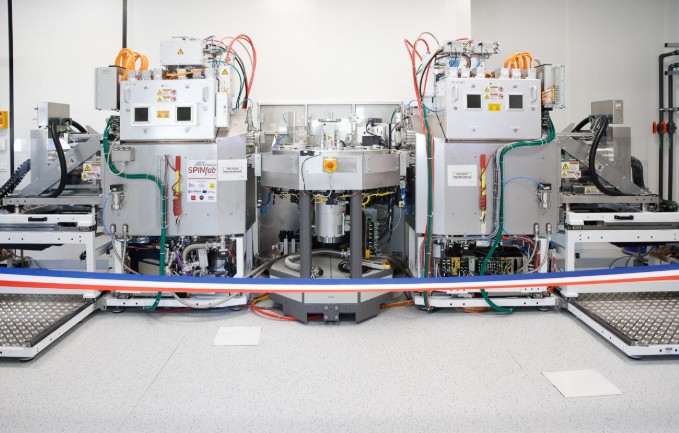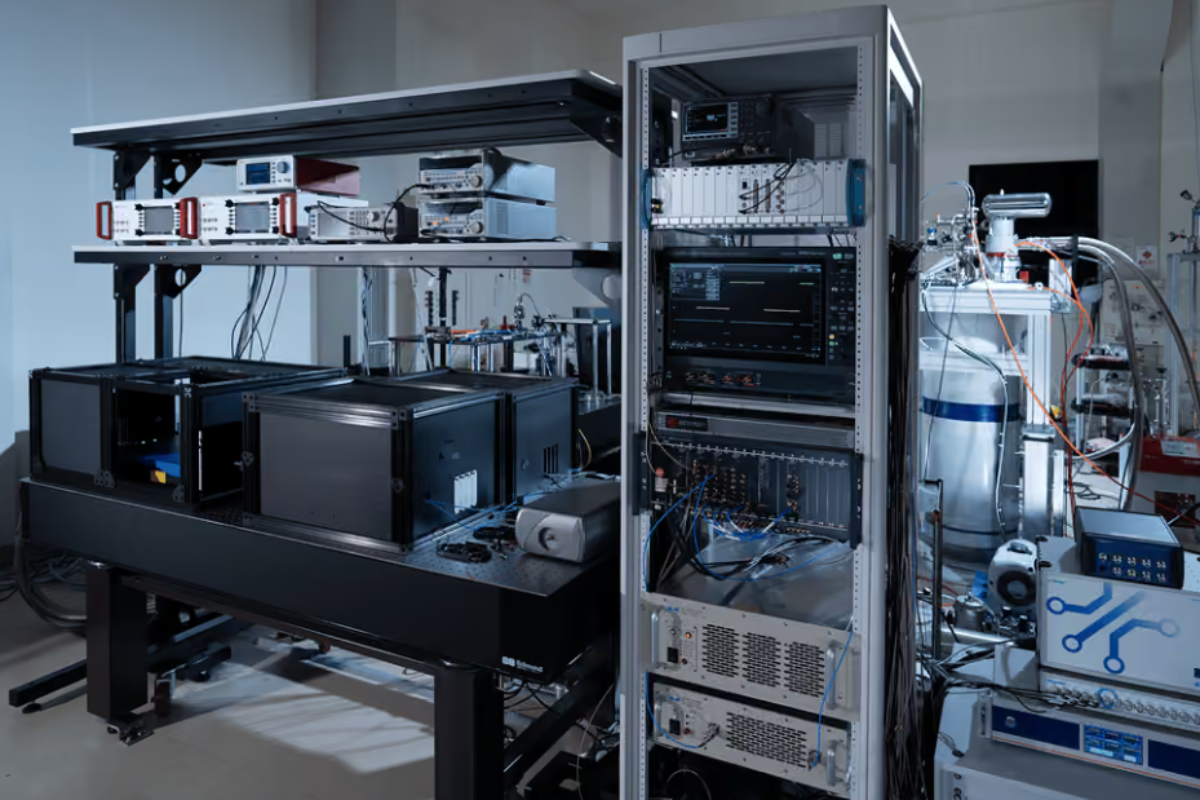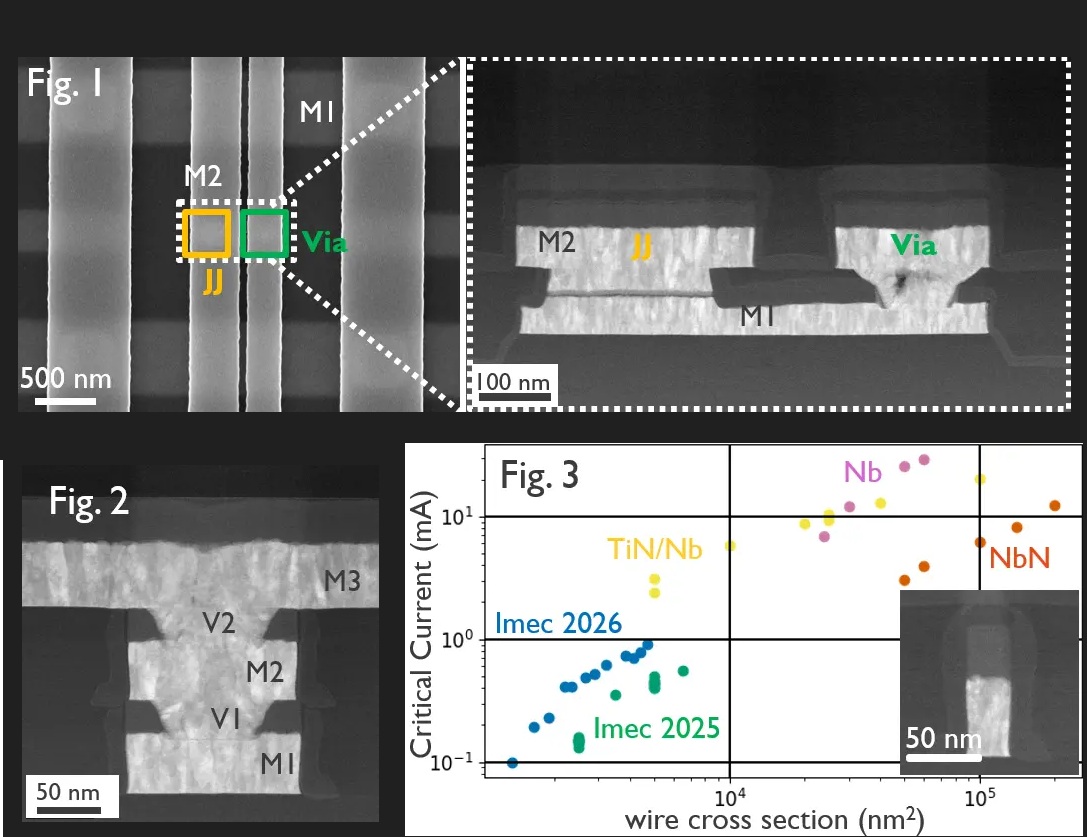

On June 25, 2025, the SPINTEC laboratory at CEA-Grenoble inaugurated SPINfab, a new pilot line dedicated to spintronic materials manufacturing, marking a significant development for European technological capabilities in spintronics. The facility, the only one of its kind in France, aims to bridge cutting-edge research and industrial production in a field critical to next-generation electronics.
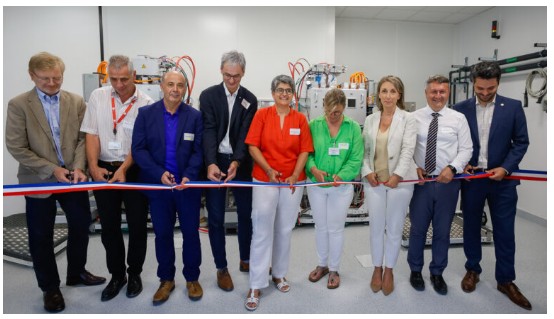
The inauguration was attended by key figures, including Yassine Lakhnech, President of the University of Grenoble Alpes (UGA), Pascale Bayle-Guillemaud, Director of IRIG (CEA), Thierry Dauxois, Director of the CNRS Institute of Physics, and Catherine Staron, Vice-President of the Auvergne-Rhône-Alpes Region in charge of research. These representatives highlighted the facility’s role at the intersection of research and industrial innovation, supported by a collaborative effort involving CNRS, CEA, UGA, the European Union, the French State, the Auvergne-Rhône-Alpes Region, and Grenoble Alpes Métropole.

SPINfab features two key pieces of equipment: a thin-film deposition system, the first of its kind in France, capable of layering multiple complex materials for spintronic devices, and custom plasma etching equipment designed for magnetic materials central to spintronic phenomena. These tools enable the production of components for electronics that prioritize speed and energy efficiency, targeting applications such as ultra-dense data storage and embedded artificial intelligence. The project secured €11.5 million in funding from CPER, FEDER Auvergne-Rhône-Alpes, EQUIPEX Nanofutur, and the Electronics and SPIN1 research programs.
The launch of SPINfab addresses a critical gap in European spintronics, which has led scientifically since the 2007 Nobel Prize-winning discovery of giant magnetoresistance by Albert Fert and Peter Grünberg but lagged in industrial-scale manufacturing. SPINfab aims to bolster prototyping and pre-production capabilities, positioning Europe to compete with the United States and Asia, where significant investments in similar manufacturing chains have strengthened commercial leads.
Located within Grenoble’s scientific and industrial ecosystem, SPINfab leverages expertise from SPINTEC, the Laboratoire des Technologies pour la Microélectronique (LTM), the Néel Institute, and industry partners like Soitec, as well as local startups such as Crocus Technology, Hprobe, Golana Computing, and Nellow. Its integration into networks like Renatech and Infrachip supports broader collaboration. The facility is poised to contribute to developments in high-performance computing, radiation-hardened circuits, and the Internet of Things, driven by growing industrial interest.
SPINfab will also support training, offering students and engineers access to advanced equipment, aligning with France 2030 objectives to establish the region as a hub for future expertise. The inauguration included a lecture by Professor Mathias Kläui from Johannes Gutenberg University of Mainz on new materials for spintronics, followed by guided tours of the SPINTEC laboratories and pilot line.