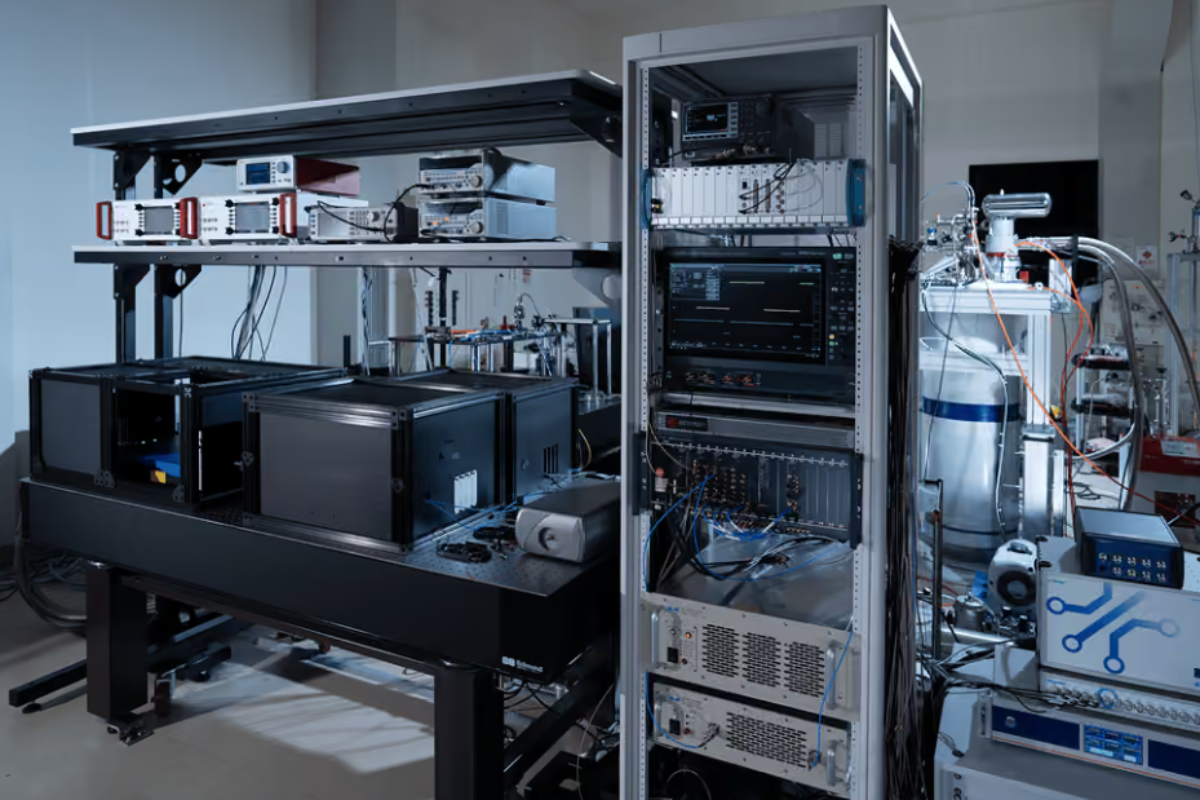
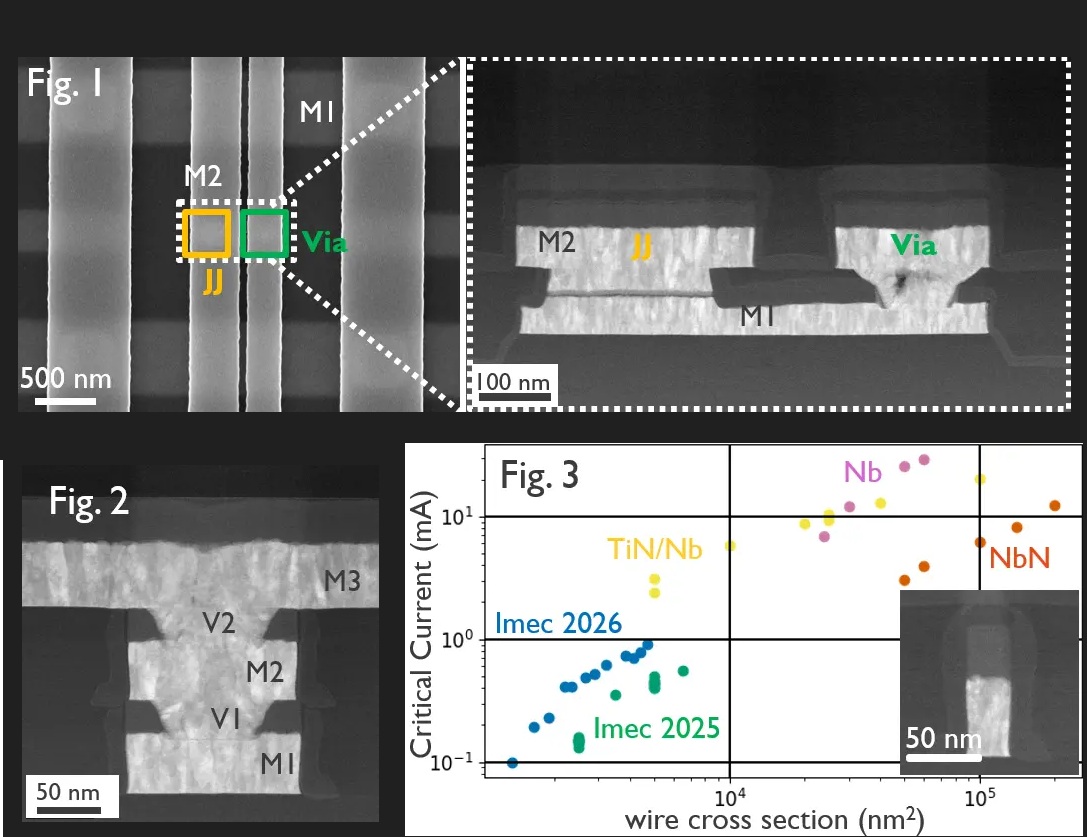
When TSMC started making semiconductor chips, India too had a fab. The difference was India's first fab did not scale and grow. whereas TSMC reached the peaks of foundry technology. India's progress in quantum computing is now nearly at same stage of what semiconductor IC fabrication was in 60s.
Yesterday was a world quantum day, social media created some buzz on this topic. A world-class quantum computing company has taken birth in Bangalore in year 2020 and now in the year 2025, they have a 25 qubit quantum computer that can solve many computing challenges in range of applications including drug discovery.
Here is the brief specs of the quantum computer:
25 NISQ Qubits
Superconducting Transmon Qubits
Target Coherence Time 60μs
Built-in surface Code Error Correction
Error Rate: 10⁻²
Let me get into the details: QpiAI, established by Dr. Nagendra Nagaraja, operates at the intersection of artificial intelligence (AI) and quantum computing. The company develops hardware and software for enterprise applications, targeting sectors like pharmaceuticals, logistics, finance, and manufacturing. It provides seven software platforms—QpiAI-Pro, QpiAI-Explorer, QpiAI-Opt, QpiAI-Pharma, QpiAI-ML, QpiAI-Logistics, and QpiAI-Matter—which integrate quantum computing and AI for tasks such as optimization and simulations. These are available on-premise or via cloud access, serving clients including Fortune 500 companies.
QpiAI’s 25-Qubit Quantum Computer: Technical Overview
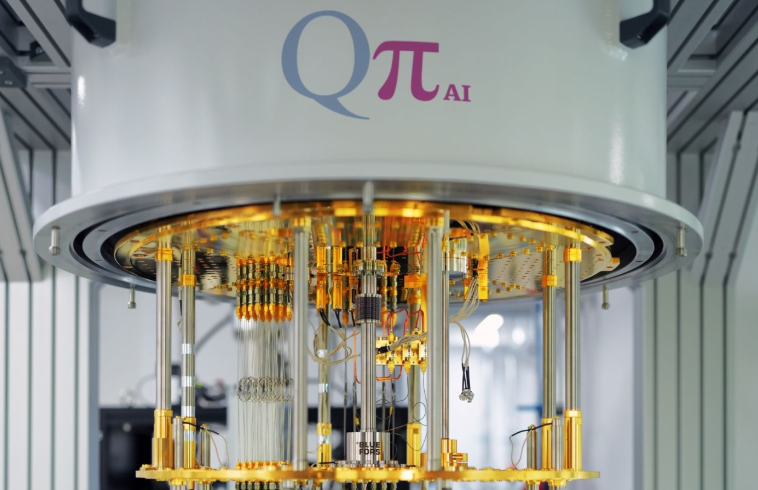
In Q4 2024, QpiAI launched its 25-qubit Indus Quantum Computer. Quantum computers use qubits—units that can exist in multiple states at once due to quantum mechanics—to perform calculations differently from classical computers. The Indus system relies on superconducting transmon qubits, a widely used type of qubit in quantum hardware. The Indus Quantum Computer housed in a closed-cycle cryostat at 10mK. Its components include cryogenic attenuators, filters, and amplifiers. The system reports a coherence time of 60 microseconds—how long qubits maintain their state—and an error rate of 10⁻². It uses surface code error correction to manage errors.
QpiAI’s control system, QpiAISense, produces microwave signals up to 10 GHz to manipulate up to eight qubits per unit. The setup includes a quantum compiler and software libraries to translate algorithms into qubit instructions. This allows the system to pair with classical computing resources for hybrid processing.

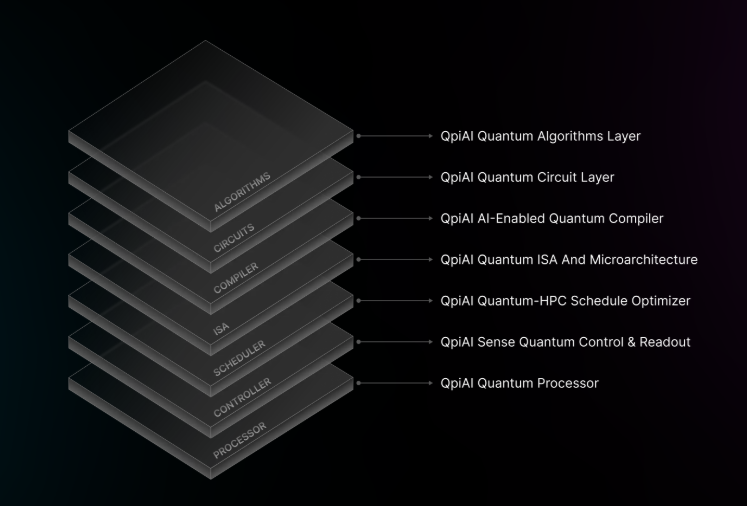
Pic Source: https://qpiai.tech/
Development Roadmap
QpiAI has a plan for future quantum systems:
Kaveri: 64 qubits, expected Q1 2026.
Ganges: 128 qubits, expected Q1 2027.
Everest: 1,000 qubits, expected Q1 2028.
These aim to improve coherence times and reduce error rates, using designs like 2D square lattices with 3D integration. Additionally, QpiAI is pursuing fault-tolerant systems:
Yukti: 1 logical qubit, Q4 2026.
Unnati: 100 logical qubits, Q4 2030.
The fault-tolerant systems will use a custom qubit design and Q-LDPC error correction, targeting an error rate of 10⁻⁶.
Hybrid Technology Efforts
QpiAI is into semiconductor-based spin qubit technology, where it is working on developing the AI System Generating Processor (ASGP), a chip combining classical and quantum elements with CMOS-compatible quantum dots. It operates at cryogenic temperatures and aims for integration with standard semiconductor processes, with a long-term target of 1 million qubits per chip. The company also combines its quantum processors with classical hardware, such as Intel Xeon processors and NVIDIA A100 GPUs, managed by a Quantum-HPC Data Center system for workload distribution.
QpiAI also developed a platform called QpiAISense, a room temperature qubit control platform designed to manage quantum computers, including their 25-qubit system.
Funding
In 2024, QpiAI secured $6.5 million in a pre-series A funding round from Yournest, SIDBI Venture Capital, and other investors, including Kailash Katkar of Quick Heal and Cognizant’s former CEO Lakshmeenarayanan. The funds support hardware development, software expansion, and market outreach in the US, Europe, Japan, and Southeast Asia. Based in Bangalore, QpiAI has subsidiaries in the US and Finland and works with governments and businesses globally.

QpiAI has partnered with Finland based QuantrolOx in developing India’s first 25-qubit quantum computing testbed and offerings for the European and Indian markets.
With so many milestones reached by this new company in short time frame, can it scale to expand applications and reach its benefits to larger user base?
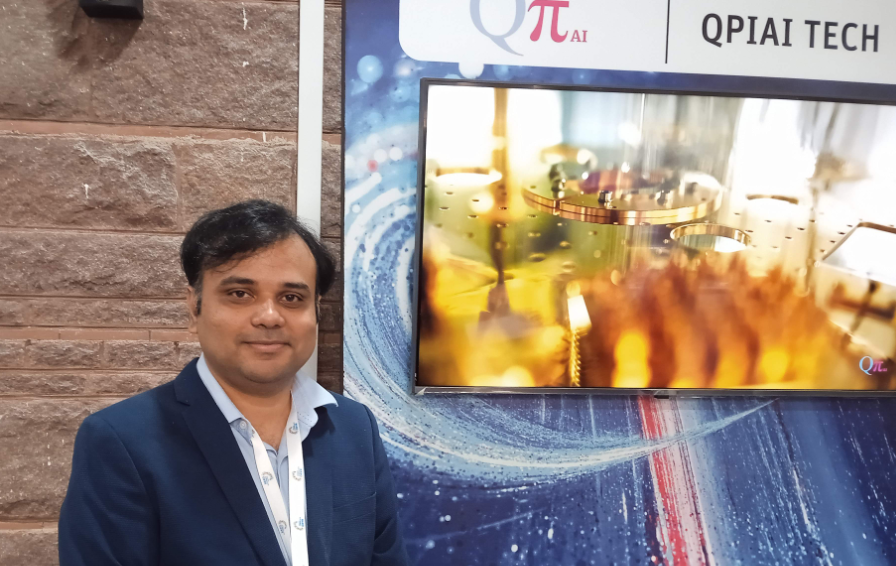
Pic: Dr. Manjunath R Venkatesh, VP and GM, QPIAI at Nano Electronics Event at IISc.
Update: The article title was changed for the sake of meaning on 22nd Apr 2025
Author: Srinivasa Reddy N