
Rice University researchers have demonstrated a catalyst system that converts carbon dioxide into carbon monoxide using visible light at room temperature for chemical manufacturing.
Conventional carbon dioxide conversion requires temperatures between 700 and 1,500 degrees Celsius or intense electrical discharges. Previous direct-splitting attempts faced operational limits because freed oxygen atoms could recombine with carbon monoxide or degrade the catalyst. Carbon monoxide is used to make synthetic fuels, plastics and industrial chemicals.

The system combines light-harvesting copper nanoparticles, ruthenium reaction sites and cerium oxide, which temporarily traps freed oxygen in its crystal structure. Under visible light, the copper nanoparticles channel high-energy electrons to the reaction sites, splitting carbon dioxide into carbon monoxide and oxygen. Nitrogen gas under light regenerates the catalyst for subsequent cycles.
Under blue light at a wavelength of 475 nanometers, the system produced carbon monoxide at a rate of 15,000 micromoles per hour per gram and maintained production for 238 minutes. Traditional heat-driven controls degraded within 35 minutes, while the new system yielded nearly three times more carbon monoxide than test materials without cerium oxide. Catalyst surface temperatures reached 300 to 386 degrees Celsius under laser illumination; cooling the reaction chamber to 10 degrees C increased production further.

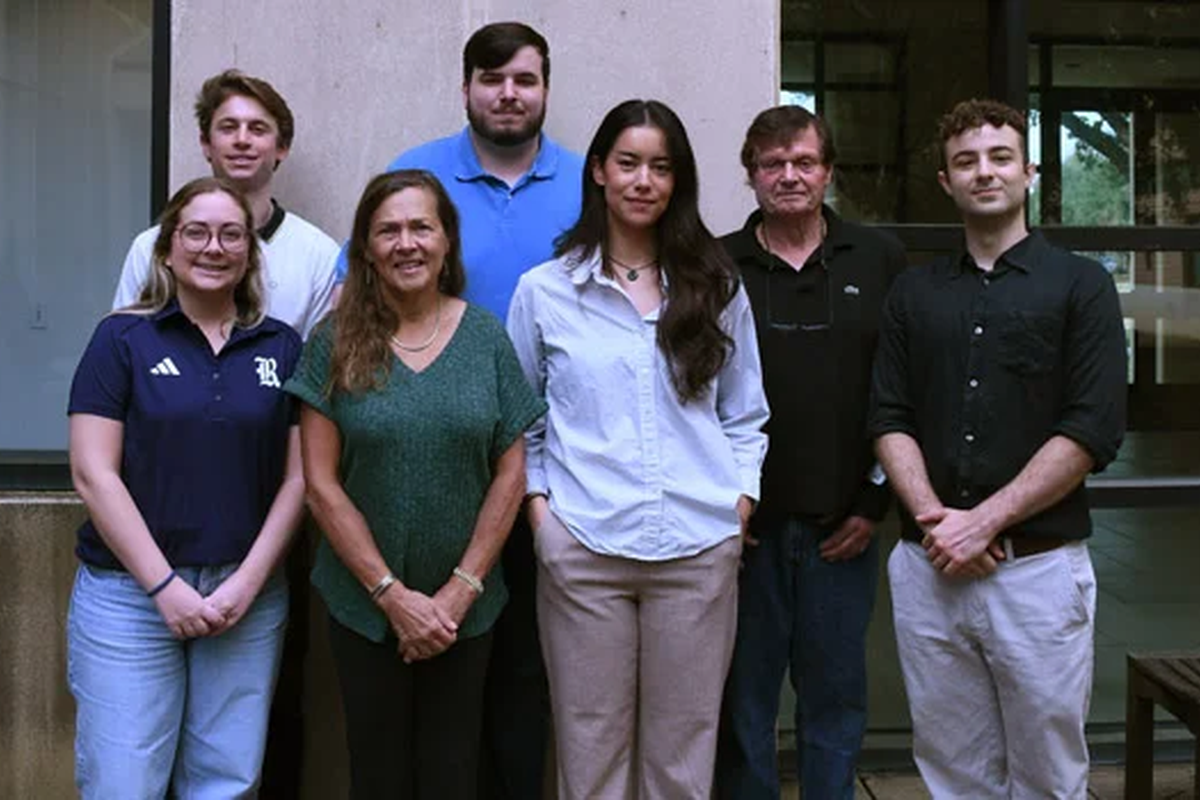
Naomi Halas, University Professor and senior author of the study, said: “What makes this advance so important is that it turns carbon dioxide straight into carbon monoxide, a major value-added product for industrial use. That shift could make carbon capture genuinely profitable.” The study was published in the Proceedings of the National Academy of Sciences.
The antenna-reactor system has been licensed to Syzygy Plasmonics, a clean-technology spinoff co-founded by Rice researchers. The company is engineering light-driven chemical reactors designed to scale the process for industrial lighting arrays.