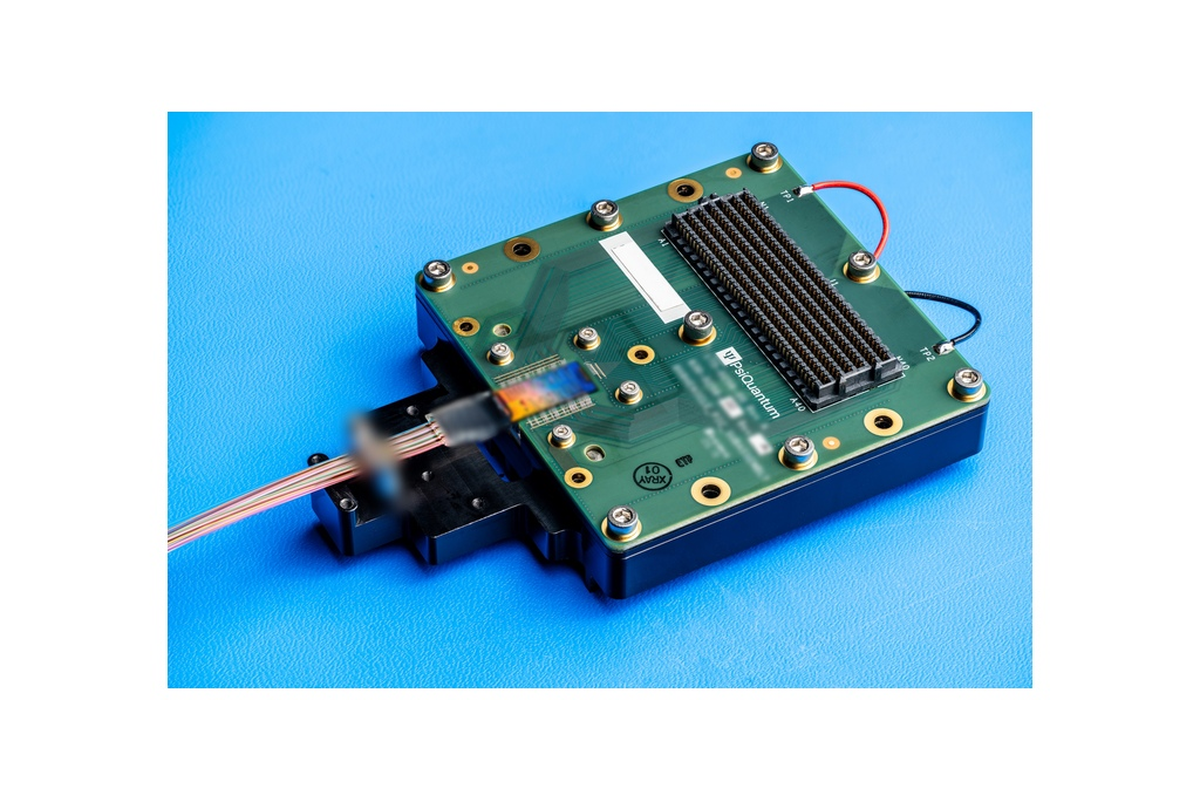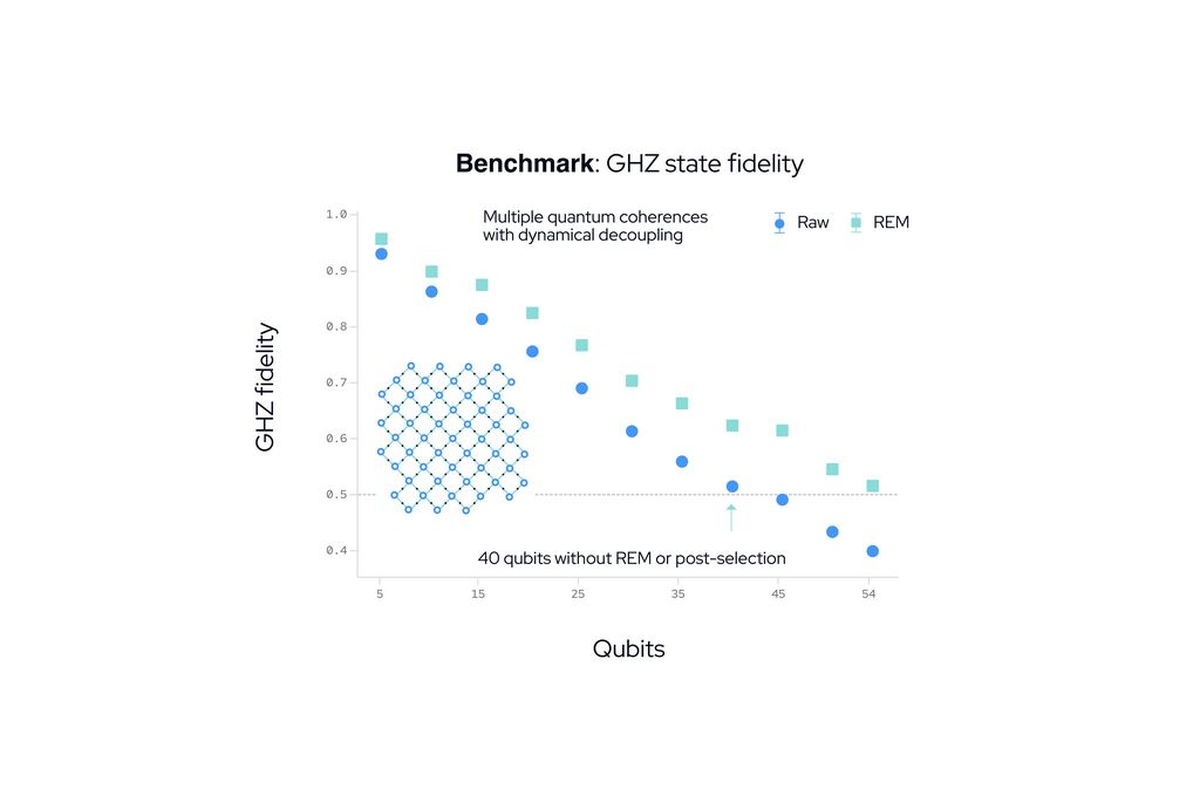

AMD is bringing CPU, GPU and FPGA technologies to a quantum error-correction codesign platform established by IBM and the Quantum Science Center at Oak Ridge National Laboratory (ORNL). The platform provides a shared environment to evaluate architectures, software and workflows for future hybrid quantum systems.
The work addresses the need to coordinate quantum and classical computing at scale. The release says classical computing is needed to manage quantum systems, accelerate complex simulations, correct errors and integrate quantum processors with HPC clusters.

The first deployment colocates IBM quantum computers, including the 120-qubit IBM Quantum Nighthawk, with ORNL’s Umbra HPC system. Umbra is composed of AMD Instinct MI355X GPUs and 5th Gen AMD EPYC CPUs. IBM contributes quantum computing technology, ORNL its research and computing environment, and AMD classical computing technologies and open software.
AMD EPYC CPUs provide orchestration and general-purpose performance; AMD Instinct GPUs accelerate simulation, optimization and parallel scientific computations; AMD Versal adaptive SoCs provide low-latency control, readout and decoding near the quantum processor; and the AMD ROCm open software ecosystem helps connect HPC and AI applications with the hardware.
Ralph Wittig, corporate fellow and head of research & advanced development at AMD, said: “Building useful quantum systems requires the quantum and classical computing communities to solve system design challenges together. AMD brings expertise across CPUs, GPUs and FPGAs, from real-time control to leadership-class supercomputing. With IBM, Oak Ridge and our ecosystem partners, we are applying that experience to develop and test how quantum processors, classical computing and software can work together at scale.”

The collaboration builds on AMD’s work powering leadership-class supercomputers and its ongoing work with IBM on GPU-accelerated scientific calculations and FPGA-based error decoding. The partners are continuing support for the Department of Energy’s Quantum Genesis Mission and its progress toward a scientifically relevant quantum computer by 2028.
Plans call for connecting the platform with the Oak Ridge Leadership Computing Facility, which houses ORNL’s Lux SI (Super Intelligence) + HPC supercomputer, powered by AMD EPYC CPUs and AMD Instinct GPUs. The connection is intended to extend the research environment to a full-scale system for exploring integrated quantum, AI and scientific computing.