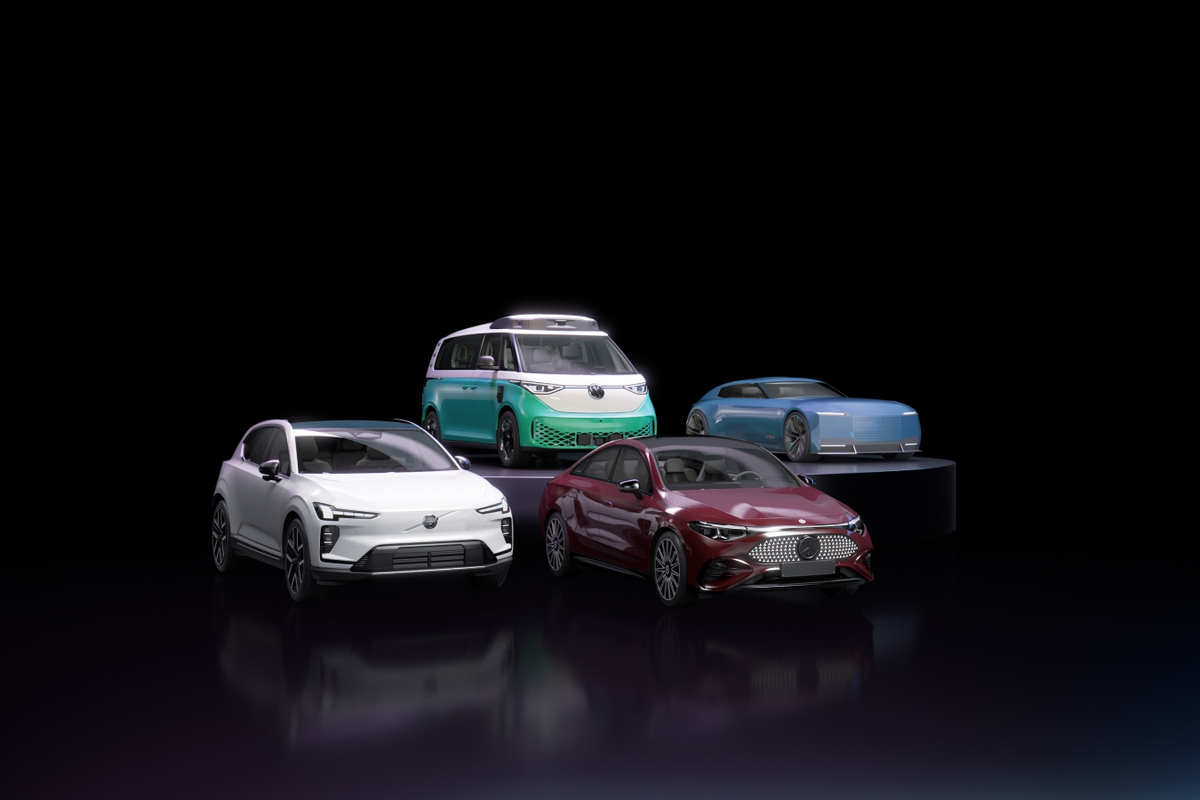

Volkswagen Group and NXP Semiconductors have agreed on a strategic partnership in which NXP’s S32K5 family of microcontrollers (MCUs) will support zonal control in the Group’s future software-defined vehicle (SDV) architecture across brands and vehicle segments. The first vehicle featuring the architecture is planned for 2027.
Modern vehicles must support a growing number of digital functions. Managing them through separate electronic control units (ECUs) increases complexity in development and parts management and limits scalability. Zonal architecture addresses this challenge by using powerful microcontrollers to consolidate multiple vehicle functions into fewer ECUs.
The S32K5 MCUs will serve as the core processors of the vehicle’s zonal controllers, alongside high-performance processors that provide central computing power and make complex decisions for AI-enabled functions such as automated driving and advanced infotainment. The MCUs connect sensors and actuators, collect and process data from specific areas of the vehicle, and manage lighting, body, comfort, chassis and safety systems. Consolidating functions that previously required separate chips and ECUs is intended to reduce hardware complexity.
The S32K5 family is intended as a common building block for the future zonal SDV architecture developed by Rivian and Volkswagen Group Technologies, LLC (RV Tech), the joint venture between Volkswagen Group and Rivian. The architecture is intended for vehicles from both companies, enabling brand-specific features and experiences.
The partnership is part of Volkswagen Group’s semiconductor strategy, which uses direct, long-term partnerships with semiconductor companies to combine automotive expertise with chip technology, strengthen supply resilience and shape technologies for future vehicle generations. The approach supports the Group Target Picture 2030 and aims to leverage synergies across brands and regions and harmonize key technologies.