GlobalFoundries has announced the SCALE optical module solution for co-packaged optics (CPO). The SCALE solution, or Silicon photonics Co-packaged Advanced Light Engine solution, is the industry’s first Optical Compute Interconnect Multi-Source Agreement (OCI MSA) capable platform. It exceeds the requirements of the OCI MSA’s optical interconnect specification for modern AI scale-up architectures.
The solution is built with GlobalFoundries’ advanced silicon photonics technology. It utilizes both coarse and dense wavelength-division multiplexing (CWDM, DWDM) for bi-directional data transmission over each optical fiber. This provides improvements in bandwidth density and system scalability compared to traditional copper interconnects.

GlobalFoundries has demonstrated 8λ and 16λ bi-directional DWDM on the platform. The SCALE CPO solution includes fully-qualified photonic devices such as 50Gbps and 100Gbps micro-ring modulators, coupled ring resonators, and integrated photodiodes. It also features through silicon vias (TSVs) for high-speed signaling and power delivery, along with copper pad pitches ranging from 110μm down to sub-45μm. These support 2.5D/3D stacking from organic substrates to silicon interposers.
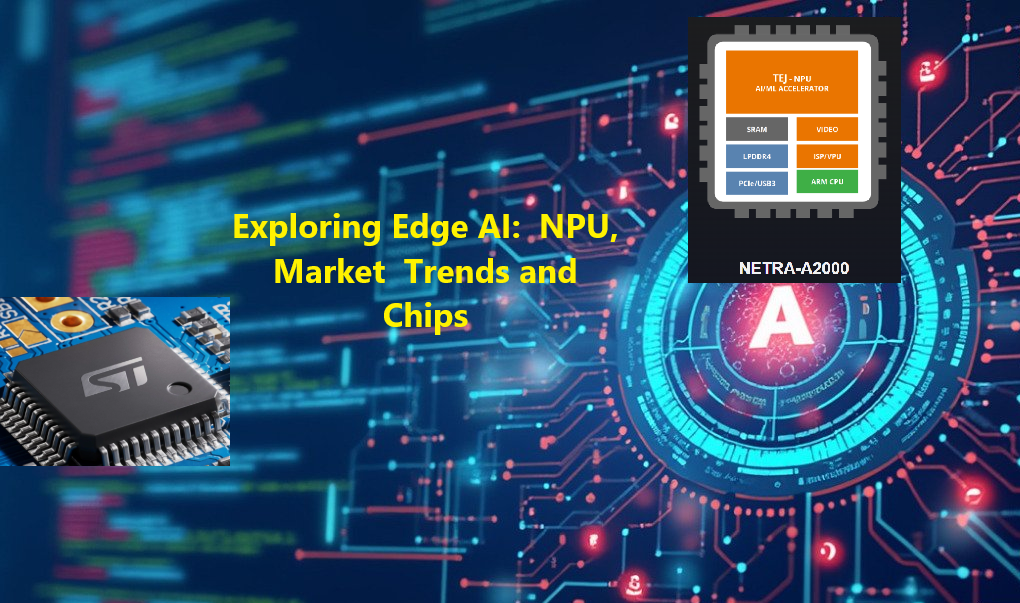
The platform integrates electrical ICs on single-digit advanced nodes. It offers multiple fiber-attach approaches, including broadband detachable fibers with flat insertion loss over the CWDM spectrum. This design supports scaling from 4λ in each direction to 8λ and beyond, while maintaining serviceability and known-good-die testability.
“With over a decade of innovation and manufacturing expertise in silicon photonics technology at our disposal, GF stands ready to unlock the future of high-bandwidth, energy-efficient connectivity with our SCALE solution for co-packaged optics,” said Mike Hogan, chief business officer at GF. “Today, our technology already exceeds the requirements set by the OCI MSA, demonstrating our close collaboration with industry leaders and our technology’s readiness to scale next-generation, AI infrastructure.”