

Why OpenROAD is evolving well: A 2025 perspective
A Silver or Gold membership is required to read and print this article.
The OpenROAD project (Open Real-time Optimized Autonomous Design) is rapidly transforming the landscape of electronic design automation (EDA). Launched in 2018 under DARPA’s Electronics Resurgence Initiative, OpenROAD set out to democratize chip design by creating a fully autonomous, open-source RTL-to-GDSII flow. As of 2025, the project has not only met but exceeded expectations, becoming a cornerstone of innovation in semiconductor design.

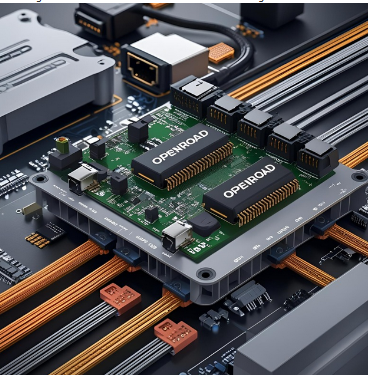
Democratization of Chip Design:
Traditionally, chip design has been the domain of large corporations with deep pockets. The cost of commercial EDA tools—often exceeding $1 million per seat annually—has made it nearly impossible for startups, academic institutions, and hobbyists to participate meaningfully in silicon design. OpenROAD disrupts this paradigm by offering a completely free and open-source RTL-to-GDSII flow, allowing anyone with a computer and internet access to design chips. This shift is akin to what Linux did for operating systems or what TensorFlow did for machine learning.By lowering the entry barrier, OpenROAD enables grass...
This article requires a Silver or Gold membership
Silver+ members only
Continue reading with a subscription.
1 USD = Rs 96.47
- Deep-technical articles & analysis
- New-product comparisons
- Premium online courses
- 1 author article / year