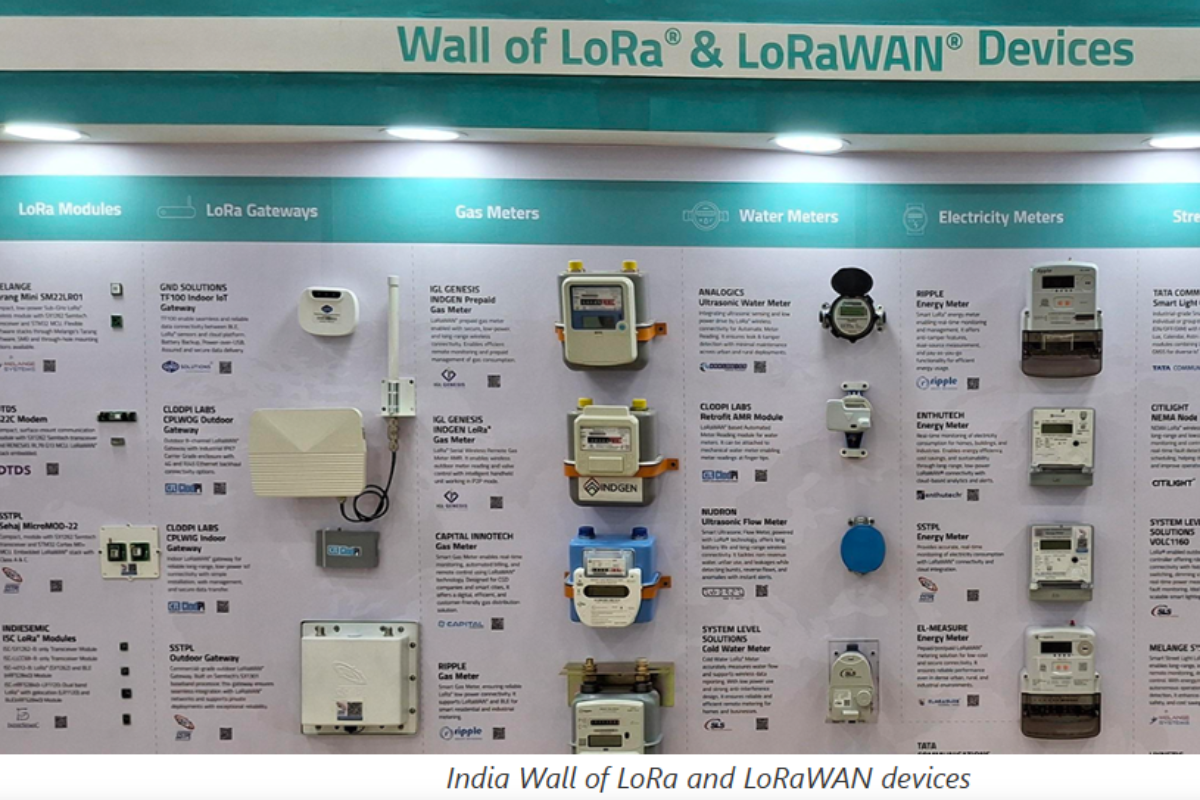

Wireless technology is changing how commercial buildings, campuses, data centres and infrastructure are instrumented. Traditional building management systems (BMS) depend on extensive cabling, which drives high installation costs, long timelines, disruption during retrofits and limited flexibility. Wireless architectures reduce physical wiring while supporting sensing, control and monitoring.
Enlite Research Private Limited, a Mumbai-based company, developed a wireless approach centred on its STR Series controller ecosystem and Know Your Building® platform. In 2025 it received an Indian patent for “A Building Management System for Wireless Control of Equipment and a Method Thereof,” reported as India’s first for this type of wireless BMS. A later patent covers cloud-based controller configuration. The system targets both new and existing buildings and supports HVAC equipment, pumping systems, electrical systems, renewables, EV charging and energy monitoring.
The STR Series combines field connectivity, real-time control, secure device management and distributed intelligence. Controllers sense, decide and act locally while participating in a wider network. Features include a dual-processor design that separates networking from control logic, native support for BACnet, Modbus, MQTT and HTTPS, security elements such as TrustZone, TPM-stored keys and encrypted communication, over-the-air updates, Bluetooth-based wireless commissioning, and modular I/O expansion. Edge control continues during network disruptions. Know Your Building® provides a unified intelligence layer for visibility, anomaly detection, predictive maintenance and portfolio oversight.

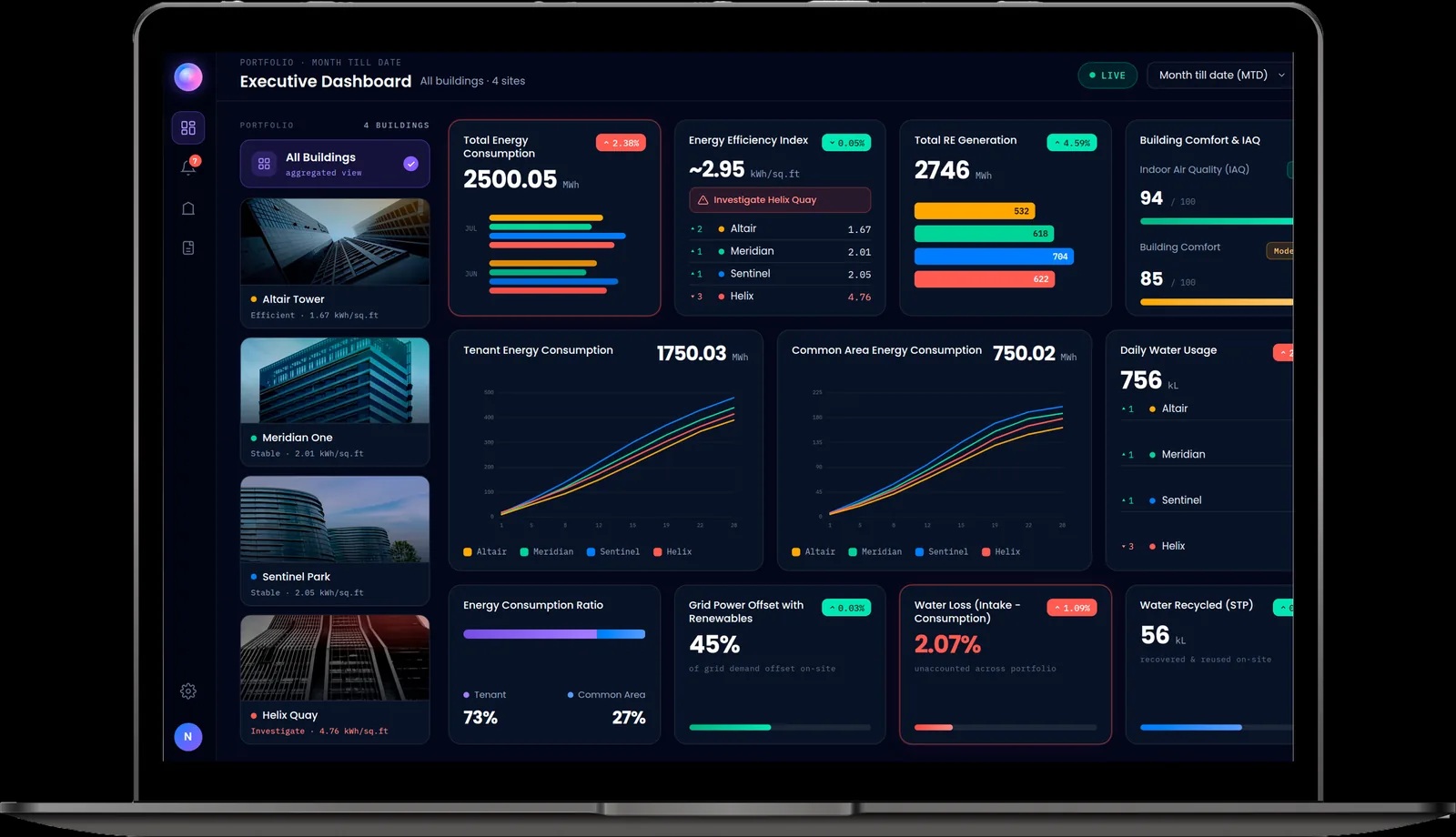
According to the company, the wireless design has been deployed in commercial buildings, airports and data centres. Reported outcomes include installation-cost reductions of 30–40 percent and deployment-time cuts of up to 70 percent by eliminating extensive cabling and related civil work, with associated reductions in material-related emissions.
Benefits in today’s context include lower capital and labour costs, faster and less disruptive retrofits in occupied buildings, easier scalability, better integration with legacy systems via open protocols, and support for energy efficiency and condition-based maintenance through real-time and predictive visibility. Edge autonomy helps maintain critical operations if connectivity is interrupted.

Wireless advantages: centre on reduced material and installation effort, greater layout flexibility and simpler expansion.
Challenges remain real: radio signals attenuate and reflect in concrete, steel and dense interiors; interference from Wi-Fi and other devices can affect reliability; battery-powered nodes require careful power management; control loops need deterministic behaviour or strong edge processing; and wireless links expand the security surface, requiring encryption, authentication and secure updates. Scalability depends on robust network management and remote tools.
Enlite’s architecture addresses several of these points through local intelligence, offline capability, open interoperability and layered security. Long-term performance still depends on real-world radio conditions, which vary by building. As wireless instrumentation matures, the balance between cabling reduction, reliability, power constraints and security will shape adoption across the built environment.
Further details are available on Enlite’s product and Know Your Building pages.