
The Global Electronics Association has urged targeted, proportionate remedies in the USTR's Section 301 investigation, warning that tariffs could deepen a global PCB capacity shortage. The Association issued its statement on November 25, 2026, in response to the USTR's determinations and proposed actions concerning structural excess capacity.

The Association called on the Administration to distinguish capacity sustained by non-commercial support from the scale, forward investment and lengthy qualification cycles it says are normal and essential features of the electronics industry. It also said American manufacturers rely on inputs from allies and trading partners, and that the industry's critical supply chains span multiple countries and serve worldwide demand.
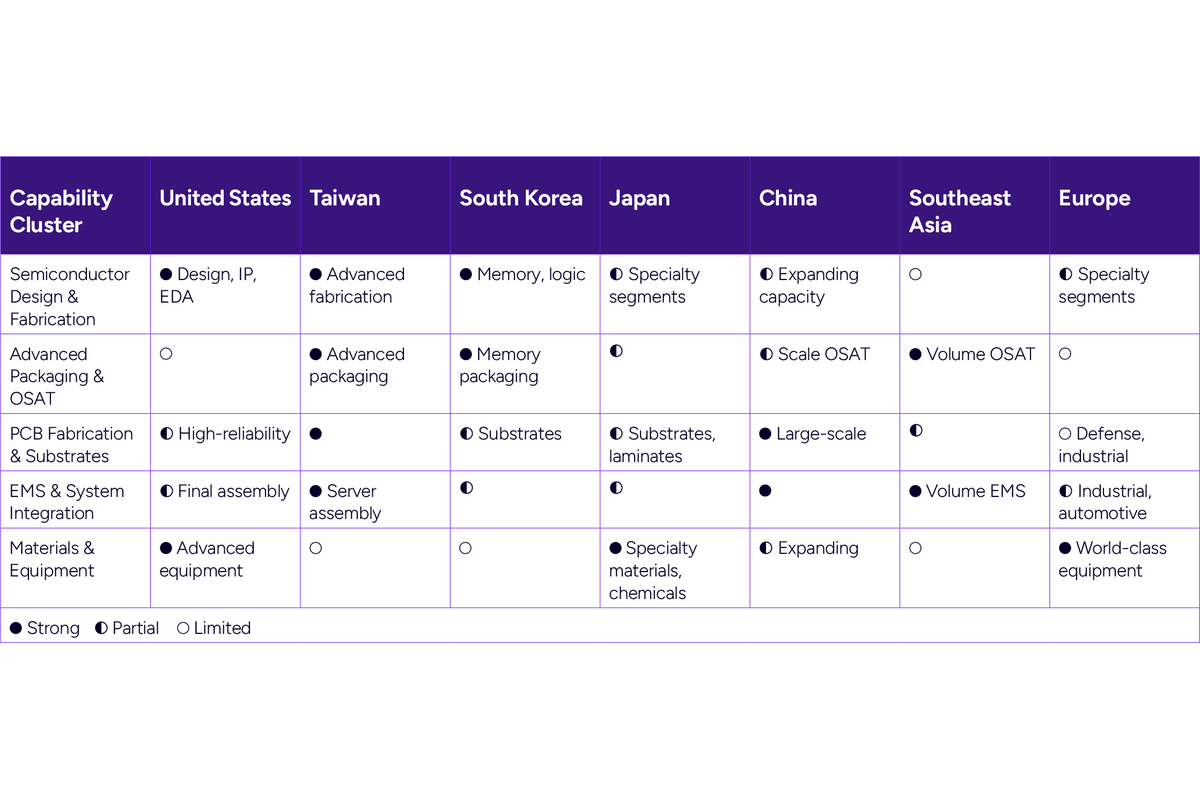
The Association cited printed circuit boards (PCBs) as an example of the issue. Its latest Industry Alert says global demand for PCBs is significantly outpacing the capacity of fabricators and their material suppliers, with meaningful relief unlikely before mid-2028. The Association characterized the situation as a capacity shortage, not an oversupply problem, and said tariffs on economies where most PCBs and PCB materials are manufactured would compound the shortage and raise costs for American manufacturers. It also said domestic capacity remains insufficient and broader government support for expanding U.S. production is urgently needed.

The Association welcomed continued dialogue and good-faith negotiations with trading partners, calling sustained engagement the most effective path to durable, enforceable outcomes. It said it will submit comments and seek to testify as the process moves forward, and is ready to work with the Administration, Congress and international partners.