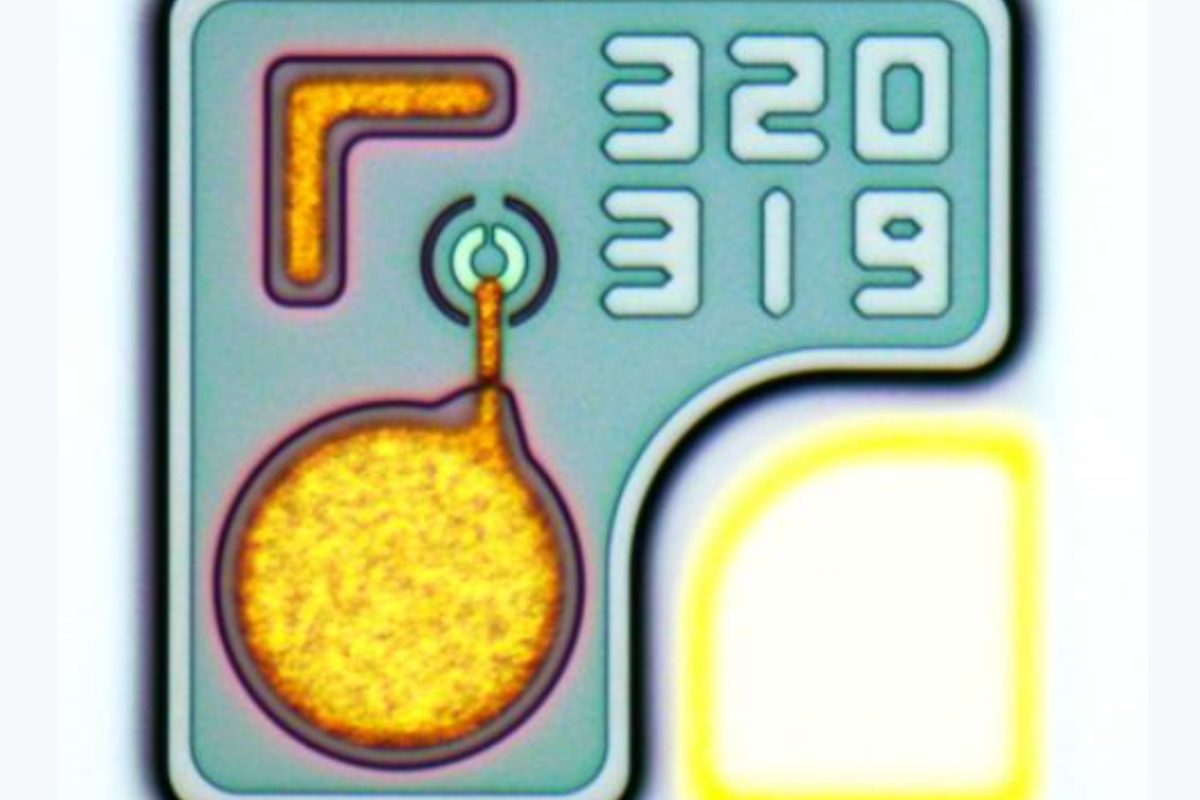

Broadcom begun shipping its Tomahawk Ultra Ethernet switch, designed for high-performance computing (HPC) and AI workloads. The switch offers ultra-low latency, high throughput, and lossless networking to meet the demands of tightly coupled AI clusters and HPC environments.
The Tomahawk Ultra achieves a switch latency of 250ns at a full 51.2 Tbps throughput, with line-rate switching for 64-byte packets, processing up to 77 billion packets per second. It introduces adaptable Ethernet headers, reducing overhead from 46 bytes to as low as 10 bytes while maintaining compliance, improving network efficiency for diverse applications. The switch supports lossless fabric through Link Layer Retry (LLR) and Credit-Based Flow Control (CBFC), which detect errors and prevent buffer overflows to eliminate packet loss.

For AI and HPC, the switch executes In-Network Collectives, such as AllReduce, Broadcast, and AllGather, directly within the chip, reducing job completion times and enhancing compute resource utilization across various system architectures. It also supports topology-aware routing for advanced HPC configurations like Dragonfly, Mesh, and Torus, while adhering to the UEC standard.

Broadcom introduced SUE-Lite, a power- and area-optimized version of the Scale-Up Ethernet (SUE) specification, maintaining low-latency and lossless features for AI accelerators. When paired with SUE, Tomahawk Ultra enables XPU-to-XPU communication latency below 400ns, including switch transit time.
The Tomahawk Ultra, pin-compatible with Tomahawk 5, is now shipping for rack-scale AI training clusters and supercomputing environments. Combined with the 102.4 Tbps Tomahawk 6, it supports both scale-up AI and scale-out HPC architectures. More details are available at Broadcom’s website and the Scale-Up/Scale-Out media kit.