

The technology trends in various rare and non-rare earth materials used for magnets in drones
Drone Market is big and growing targeting wide range of applications. Drone market size is estimated to grow by USD 37.1 billion from 2025 to 2029 at a CAGR of 14.2%. India is staying ahead in this market having significant local vendors competing globally with top-notch products. The design requirements for motors used in drones are critical to ensuring efficient, reliable, and high-performing flight. These motors, typically brushless DC (BLDC) motors, must meet specific criteria related to power, efficiency, weight, durability, and control to suit the unique demands of unmanned aerial vehicles (UAVs). There are two types of motors brushed and brushless which are generally popular in drone applications.
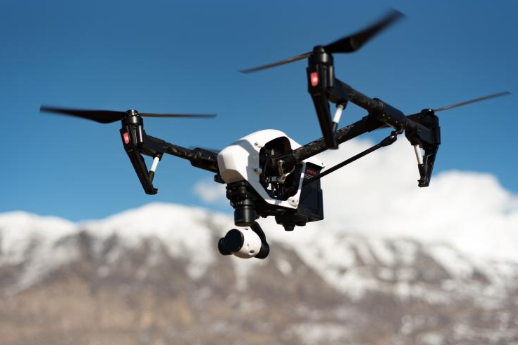
First, power-to-weight ratio is a fundamental requirement. Drones need to be lightweight to maximize flight time and payload capacity, so motors must deliver sufficient thrust while minimizing their own mass. This is often measured as thrust per unit of weight (grams of thrust per gram of motor). For example, a small hobby drone might use motors weighing 20-50 grams each, producing 100-500 grams of thrust, while larger drones for industrial use might require heavier motors with thrust exceeding 1 kilogram. In this article we will go in depth on the materials for magnets, the key c...