

Designing balance in humanoid robots: Guide and references for robot building engineers
Achieving balance in humanoid robots is a multifaceted challenge that requires the seamless integration of sensors, actuators, control systems, mechanical design, computing, and power systems. Whether the robot is standing still, walking, or performing dynamic tasks like jumping, maintaining stability is critical. This guide provides a detailed overview of the technologies and components necessary to achieve balance, with a focus on practical implementation and real-world applications. By the end, you’ll have a clear understanding of how to design a humanoid robot capable of stable, dynamic movement.
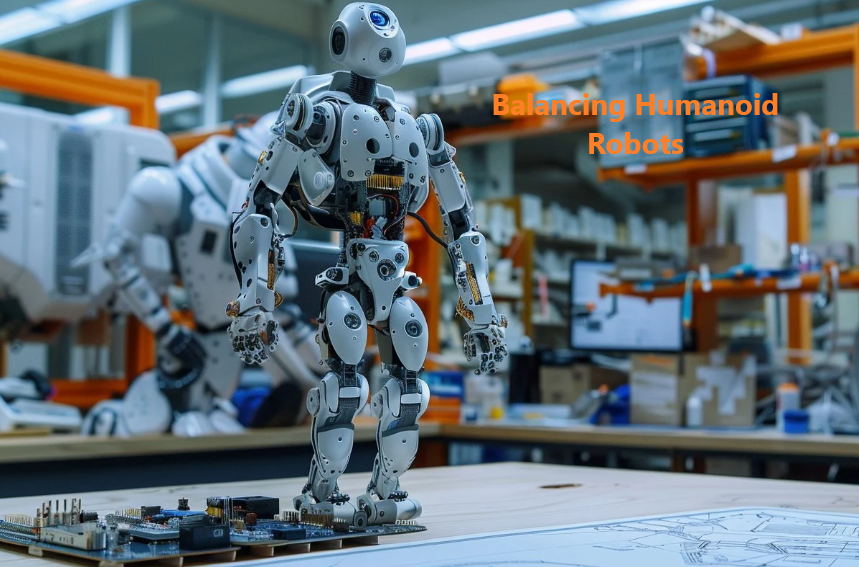
Balancing a humanoid robot is like teaching it to stand and walk without falling over. It’s a tough job because robots, like humans, need to stay upright even when they’re pushed or moving. This article explains the basic ideas behind how humanoid robots keep their balance. Using simple terms, we’ll explore the key tools, concepts, and tricks that help robots stand tall, take steps, and recover from wobbles.
The Basics of Robot Balance
What Keeps a Robot Standing?
Imagine b...
- Deep-technical articles & analysis
- New-product comparisons
- Premium online courses
- 1 author article / year