

Factors enabling smart living
Sign in to read and print this article.
By 2030, global population is expected to grow to more than 8 billion people with more than 60% living in the cities. In addition, changing demographics of people living longer than 65 years will nearly double . The challenge is to maintain people’s quality of life while maintaining (or improving) a city’s competitiveness while addressing the challenges of an aging population, scarce resources and climate change. With Smart Systems in Smart Cities, we can do more with less.
The smart city is built on awareness and (some elements of) real-time control of all of the critical functions and infrastructure of the city. The citizens of the city and their “smart things” are key actors in enabling the smart city to do more with less.
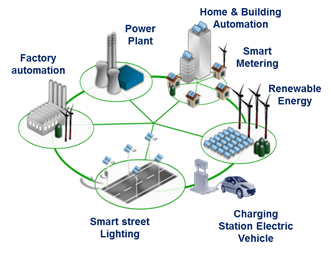
Today, we are entering a new era, in which the “smart home” will continue to provide access to an ever-increasing range of entertainment, information and communication services while also playing a far greater role in many other aspects of our lives, including in health and wellness, domestic security and, particularly important, the need to use energy more efficiently, both to minimize energy costs and to contribute to the worldwide need to develop a sustainable energy strategy to address climate change. Many factors are enabling this breakthrough in smart home...
Today, we are entering a new era, in which the “smart home” will continue to provide access to an ever-increasing range of entertainment, information and communication services while also playing a far greater role in many other aspects of our lives, including in health and wellness, domestic security and, particularly important, the need to use energy more efficiently, both to minimize energy costs and to contribute to the worldwide need to develop a sustainable energy strategy to address climate change. Many factors are enabling this breakthrough in smart home...
You've read this far — sign in to keep reading